
The pursuit of online revenue is a constant for website owners and marketers. Successfully monetizing a website, whether through advertising, affiliate marketing, or selling products, hinges on understanding its performance. A crucial part of that understanding is having a clear view of how visitors interact with your site, where they’re coming from, and what content resonates most with them. This is where Google Analytics comes in – a powerful, free tool providing immense data about website traffic. However, maximizing its effectiveness requires integrating it with the appropriate monetization tools. This article explores several popular monetization platforms and examines how seamlessly they connect with Google Analytics, ensuring you can track the financial impact of your efforts alongside user behavior. Let’s dive into which tools offer the best integrations and why they matter for your overall strategy.
Google Analytics and Monetization: A Necessary Partnership
The relationship between Google Analytics and monetization tools isn’t simply beneficial, it’s fundamentally important. Without integration, you’re essentially blind to the success – or failure – of your revenue-generating strategies. You might be running targeted ad campaigns or pushing specific affiliate links, but without understanding if those efforts translate into actual sales or ad revenue, you’re operating on guesswork. Google Analytics allows you to see which pages are driving conversions, which traffic sources are most valuable, and how user engagement affects your income. It provides the critical data needed to refine your monetization techniques and ultimately, boost your profitability. Choosing platforms with robust Google Analytics integrations eliminates the need for manual data collection and provides a streamlined view of the entire monetization ecosystem.
1. Ad Networks & Analytics
Ad networks like Google AdSense and Mediavine are core components for many websites aiming to generate income through advertising. A strong integration with Google Analytics is vital because it allows you to track a plethora of metrics related to your ad performance. Specifically, you can monitor impressions, clicks, click-through rates (CTR), and ultimately, the revenue generated by each ad unit and campaign. Furthermore, Google Analytics segments your data to reveal which content is attracting the most views and therefore, the most valuable advertising space. Analyzing this data allows you to strategically place ads on high-traffic pages, maximizing your ad revenue without disrupting the user experience. Finally, tracking conversions directly linked to ad clicks – such as purchases or sign-ups – provides a tangible measure of ad effectiveness and justifies continued investment in your ad network.
2. Affiliate Marketing Platforms & Reporting
Affiliate marketing, where you earn a commission for promoting other companies’ products, requires meticulous tracking. Platforms like ShareASale, CJ Affiliate, and Impact are popular choices, and they generally offer good, albeit sometimes basic, integration with Google Analytics. However, to get the most out of the partnership, you should utilize Google Analytics’ event tracking capabilities. This allows you to track specific actions taken by users, such as clicking on an affiliate link and then completing a purchase. This detailed level of tracking is critical for understanding which affiliate products are performing best and which marketing campaigns are driving the most sales. Without event tracking, you’re only seeing a broad overview of clicks, not the downstream effects. Integrating effectively ensures you’re accurately attributing revenue to your promotional efforts.
3. E-commerce Platforms & Conversion Tracking
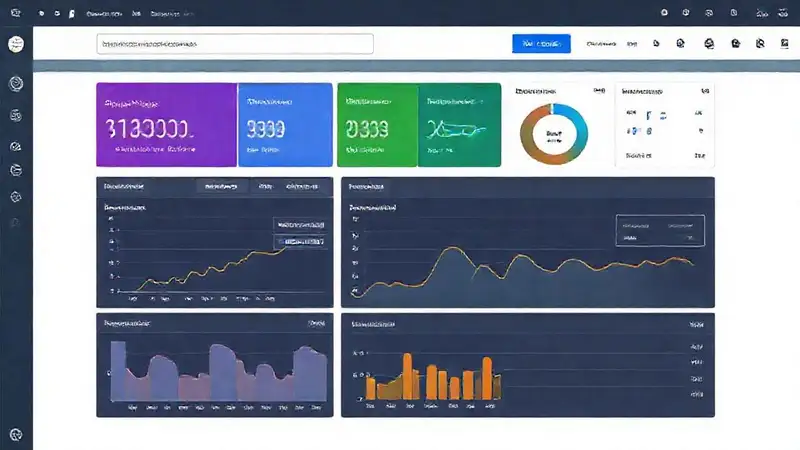
For websites selling physical or digital products, platforms like Shopify, WooCommerce, and BigCommerce are essential. These platforms offer integrated Google Analytics tracking, allowing you to monitor key e-commerce metrics such as revenue, transactions, average order value, and conversion rates. However, it’s important to configure these integrations properly, ensuring that all relevant events – like adding products to the cart, completing a purchase, and shipping – are accurately tracked. Google Analytics’ enhanced e-commerce tracking provides even deeper insights, allowing you to analyze customer behavior throughout the purchase funnel, from initial browsing to final checkout. This data is invaluable for identifying bottlenecks and optimizing the user experience to drive more sales.
4. Subscription Platforms & User Engagement
Subscription-based services, like membership sites or online courses, rely heavily on understanding user engagement to ensure customer retention. Platforms like MemberPress and Teachable typically offer integrations with Google Analytics to track user activity within the platform – logins, course completions, content views, and even revenue generated. Linking this data with Google Analytics reveals valuable insights into which content resonates most with subscribers and which features drive the most engagement. Analyzing user behavior helps in tailoring content, improving the user experience, and ultimately, reducing churn – the rate at which subscribers cancel their subscriptions. Furthermore, tracking lifetime value (LTV) allows you to see which subscriber segments are the most profitable and target marketing efforts accordingly.
5. Payment Gateways & Transaction Details
Integrating your payment gateway (like Stripe or PayPal) with Google Analytics is often overlooked, but it’s a powerful tool for gaining a granular understanding of your revenue streams. While direct integration might vary between gateways and Google Analytics, you can utilize Google Analytics’ e-commerce tracking to capture transaction details. This allows you to monitor payment success rates, identify potential payment issues, and analyze customer spending patterns. By combining transaction data with user behavior data, you can gain a comprehensive view of how your monetization efforts are translating into actual revenue. More advanced analytics tools, often powered by Google Analytics, can even predict future revenue based on historical trends.
Conclusion
Successfully monetizing a website requires a strategic approach that blends creative content with data-driven decisions. Integrating your chosen monetization tools with Google Analytics is no longer a luxury, but a necessity. By leveraging the rich data provided by Google Analytics, coupled with the tracking capabilities of platforms like AdSense, ShareASale, and Shopify, you can gain unparalleled insights into your website’s performance and optimize your revenue streams for maximum impact. Remember that consistent monitoring, analysis, and adaptation are key to long-term success – continually refining your strategies based on the insights gleaned from your data will ensure you’re consistently maximizing your return on investment. Ultimately, a combined approach, using both intuitive analysis and specific metric tracking, is crucial to sustainable online revenue.