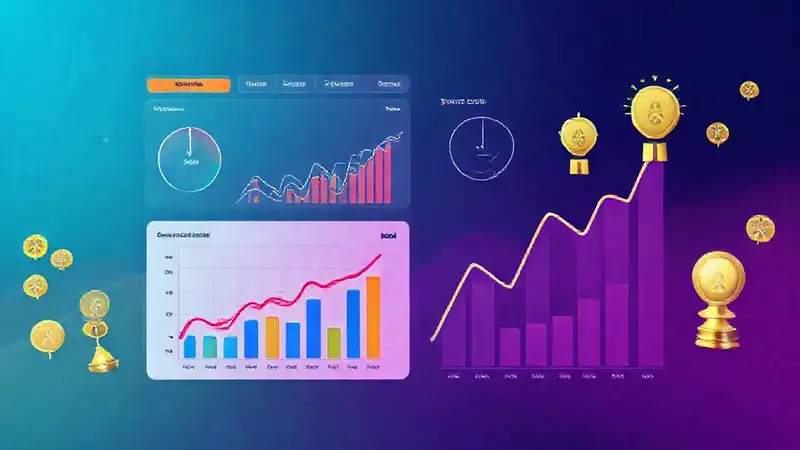
Loyalty programs are no longer a ‘nice-to-have’ in the e-commerce landscape; they’re a crucial strategic tool for driving revenue, boosting customer retention, and ultimately, enhancing overall profitability. Consumers are bombarded with choices, and building lasting relationships is more important than ever. Traditional marketing tactics are losing effectiveness, demanding a shift towards personalized experiences and rewarding behaviors. This article, drawing insights from seotoday.in, explores the multifaceted ways loyalty programs can be implemented and optimized to deliver significant returns for e-commerce businesses of all sizes. We’ll delve into specific tactics, from tiered systems to gamification, and examine how they contribute to a more engaged and valuable customer base.
Understanding the Foundations of Effective Loyalty
The core principle behind any successful e-commerce loyalty program is offering genuine value to customers. It’s not simply about slapping a “points” system onto your website; it needs to align with your brand identity and address customer needs. Before launching a program, thorough market research is paramount. Analyze your target audience – what motivates them? What are their buying habits? What kind of rewards would they truly appreciate? A poorly designed program that feels arbitrary or lacks perceived value will likely fail, leading to wasted investment and potential customer dissatisfaction. Understanding your customer’s motivations – be it saving money, receiving exclusive access, or simply feeling appreciated – is the bedrock of a robust and compelling loyalty strategy. Segmentation is key to tailoring the program to different customer groups, ensuring relevance and maximizing engagement.
Tiered Loyalty Systems: A Layered Approach
Implementing a tiered loyalty system can dramatically increase customer engagement and drive higher spending. This approach provides a clear path for customers to climb, offering increasingly valuable rewards as they move up the tiers. Typically, tiers are based on spending thresholds – Bronze, Silver, Gold, Platinum – each granting escalating benefits like free shipping, exclusive discounts, early access to sales, and personalized offers. The progression itself creates a sense of accomplishment and encourages continued engagement. Moreover, tiered systems create a strong competitive element, motivating customers to spend more to reach the next level. Don’t underestimate the power of visual representation – a clear and easily understandable tier structure can significantly improve customer perception and adoption rates. Progression is the key driver here, encouraging long-term commitment.
Gamification and Interactive Elements
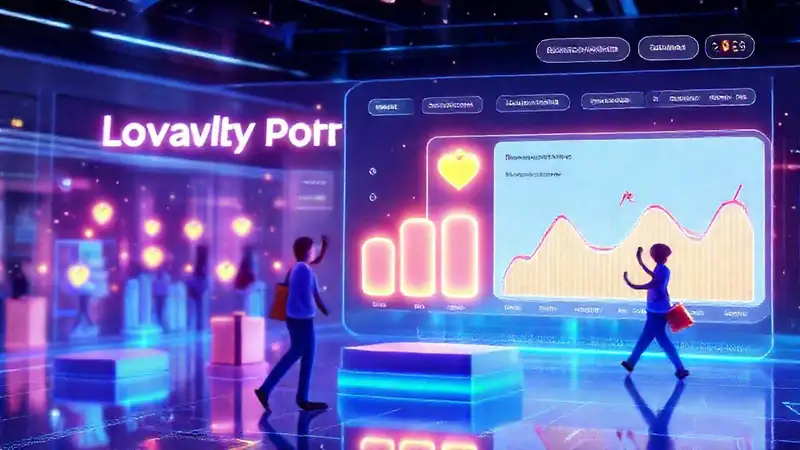
Injecting gamification into your loyalty program can transform it from a transactional system into an engaging and entertaining experience. Incorporating elements like points challenges, badges, leaderboards, and virtual rewards can boost customer interaction and drive repeat purchases. Consider weekly or monthly challenges related to product categories or specific actions (e.g., “Review a product and earn 50 points”). Badges can recognize specific achievements, creating a sense of status and accomplishment. Leaderboards, when implemented carefully (to avoid discouraging less active customers), can foster friendly competition. The integration of these interactive elements transforms the loyalty program from a passive reward system into an active, engaging activity.
Personalized Offers and Targeted Communication
Generic loyalty rewards are simply not effective anymore. To truly reap the benefits, your loyalty program needs to leverage customer data to deliver highly personalized offers and targeted communication. Utilizing data on past purchases, browsing history, and demographic information allows you to segment customers and tailor rewards to their individual preferences. For example, a customer who frequently buys running shoes might receive discounts on new running apparel or training equipment. Sending targeted emails highlighting relevant products or exclusive offers based on past behavior dramatically increases the chances of a conversion. Personalization demonstrates that you understand and value your customers, fostering deeper loyalty and driving increased conversion rates.
Conclusion
Ultimately, loyalty programs represent a powerful engine for sustainable e-commerce growth. By prioritizing customer value, carefully designing a system that aligns with brand strategy, and incorporating elements of gamification and personalization, businesses can cultivate a thriving ecosystem of repeat customers. Seotoday.in consistently emphasizes the importance of ongoing monitoring and optimization – a loyalty program isn’t a “set it and forget it” strategy. Regularly analyze program performance, gather customer feedback, and adapt your approach to evolving customer needs. A well-executed loyalty program is not just about rewarding existing customers; it’s about building long-term relationships and creating brand advocates who will continue to drive success for years to come.