WordPress is a fantastic platform for building websites, offering ease of use and a vast selection of themes and plugins. However, simply having a WordPress site isn’t enough to rank well in search engines like Google. To truly capture organic traffic and achieve your online goals, you need to implement effective SEO strategies, particularly focusing on long-tail keywords. These longer, more specific phrases often indicate a user’s deeper intent and can lead to higher quality traffic than generic, short-tail keywords. This article from seotoday.in will delve into key techniques to optimize your WordPress site for these valuable long-tail searches, boosting your visibility and driving conversions.
Understanding Long-Tail Keywords
Long-tail keywords are phrases that are longer and more descriptive than typical search terms. Instead of “shoes,” someone searching for “comfortable walking shoes for plantar fasciitis” is using a long-tail keyword. They represent a smaller volume of searches individually, but collectively they account for a significant portion of overall web traffic. Understanding the intent behind these queries is crucial – what problem are users trying to solve? By strategically targeting long-tail keywords, you cater to a highly qualified audience already further along in the buying process. Ignoring them means missing out on opportunities to connect with users who are genuinely interested in what you offer. Seotoday.in emphasizes that diligent keyword research forms the foundation of any successful SEO campaign.
Optimizing Your WordPress Theme
Your WordPress theme significantly impacts your site’s SEO. A poorly coded or bloated theme can slow down your website’s loading speed, a critical ranking factor. Opt for a lightweight and responsive theme designed with SEO best practices in mind. Many modern themes include built-in schema markup and are optimized for mobile devices. Avoid themes with excessive animations, sliders, or unnecessary plugins, as these can negatively impact performance. Regularly check your theme’s code for potential issues and ensure it’s updated to the latest version for security and compatibility. Seotoday.in regularly highlights the importance of choosing a clean and efficient theme as a crucial step for SEO success.
Implementing On-Page SEO Techniques
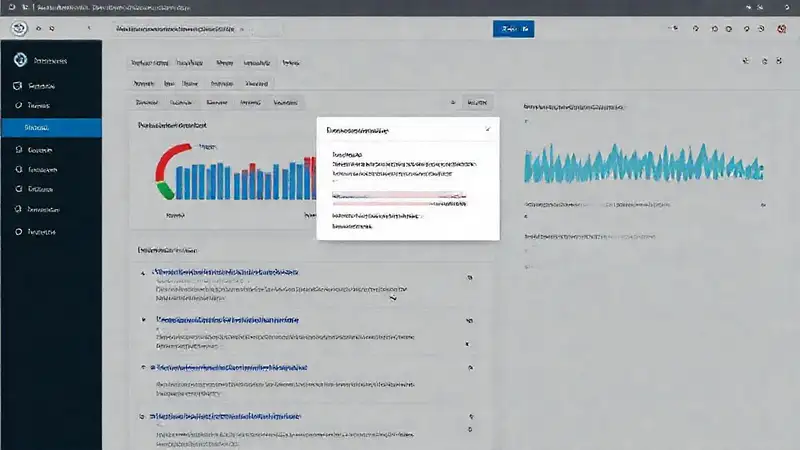
Once your theme is set up, focus on on-page SEO. This includes optimizing your title tags and meta descriptions with relevant long-tail keywords. Each page and post should have a unique and descriptive title tag that accurately reflects the content. Meta descriptions should entice users to click on your link in search results – keep them concise and compelling. Furthermore, incorporate keywords naturally within your content, headings (H1, H2, H3), and image alt text. Don’t stuff keywords; prioritize readability and provide valuable information to your audience. Seotoday.in provides detailed guides on how to effectively utilize these elements for better SEO rankings.
Leveraging WordPress Plugins for SEO
Numerous WordPress plugins can significantly improve your site’s SEO. Plugins like Yoast SEO, Rank Math, and All in One SEO Pack provide tools for keyword analysis, meta data optimization, XML sitemap generation, and more. These plugins help you monitor your site’s performance in search results and identify areas for improvement. Don’t just install a plugin and forget about it; regularly review its settings and updates to ensure you’re utilizing its full potential. Consider using a plugin to implement structured data markup (schema) to help search engines understand your content and display rich snippets in search results. This can boost your click-through rates, positively impacting your SEO.
Conclusion
Optimizing WordPress for long-tail keyword SEO requires a strategic and multifaceted approach. By understanding the nuances of these longer, more specific search queries and implementing the techniques outlined above – from selecting a suitable theme to utilizing powerful SEO plugins – you can dramatically increase your website’s visibility and attract a highly engaged audience. Remember that SEO is an ongoing process, requiring consistent monitoring, analysis, and adaptation. Seotoday.in provides invaluable resources and insights to help you navigate this dynamic landscape, ensuring your WordPress site reaches its full potential. Continually refine your strategy based on performance data and emerging trends, and you’ll be well on your way to achieving sustainable, long-term success.