
Facebook remains a powerhouse for marketing, and for small businesses, it offers an unparalleled opportunity to reach a massive and highly targeted audience. However, simply creating a Facebook page and posting isn’t enough anymore. To truly see results, businesses need a strategic approach to their advertising, particularly when it comes to allocating budgets. Many small businesses struggle with determining how much to spend on Facebook ads – too little and they’re invisible, too much and they’re losing money. This article will delve into various Facebook ad budget strategies, offering guidance to help small businesses maximize their return on investment and achieve their business goals. We’ll explore different approaches, considering factors like industry, goals, and audience size to provide actionable insights.
This guide aims to move beyond generic advice and offer a more nuanced understanding of how to tailor Facebook ad budgets to the specific needs of a small business. Understanding your target audience, setting clear campaign objectives, and consistently monitoring performance are critical components of any successful Facebook advertising strategy. We’ll look at everything from daily budgets to overall campaign spending and how to adjust based on real-time data. Ultimately, the goal is to find a sweet spot – a budget that allows you to consistently reach your ideal customers and drive conversions without breaking the bank.
1. Starting Small: The Trial Run Budget
When just beginning with Facebook advertising, it’s wise to start with a relatively low budget. This allows you to test different ad creatives, targeting options, and campaign objectives without significant financial risk. A daily budget of $5-$10 can provide valuable data about which ads are performing best and what audience segments are responding positively. Treat this initial period as a learning phase – focus on experimenting and gathering insights rather than expecting immediate returns. Don’t be afraid to adjust your targeting as you learn what resonates with your audience; a small, tightly-focused campaign is often more effective than a broad, unfocused one.
Furthermore, remember that Facebook’s algorithm favors consistent engagement, so even small investments can build momentum over time. Monitor your ad performance daily – look at metrics like reach, impressions, clicks, and engagement rate. This data will help you identify winning ads and quickly discard those that aren’t delivering. This phased approach significantly reduces the potential for wasted spending and ensures you’re building a solid foundation for future campaigns. It’s about learning quickly and optimizing continuously.
2. The Cost-Per-Click (CPC) Approach
A popular strategy for small businesses is focusing on a Cost-Per-Click (CPC) model. This means you’re willing to pay a small amount each time someone clicks on your ad, driving them to your website or landing page. Setting a CPC bid generally requires a good understanding of your product or service and the perceived value it offers. Researching the average CPC for your industry and targeting similar businesses can provide a valuable starting point. You’ll need to be competitive while staying within your budget.
However, it’s crucial to consider the quality score of your ads. Facebook’s algorithm uses a quality score to determine the relevance of your ads to the user. Higher quality ads (those with relevant keywords, compelling visuals, and clear calls to action) will typically receive lower CPCs and better placement. Regularly A/B test different ad variations – headlines, images, and descriptions – to improve your quality score and ultimately reduce your overall advertising spend. Don’t simply set a CPC and forget about it; active optimization is key.
3. Campaign-Specific Budgets – Targeted Spending
Instead of applying a single budget to all your Facebook ads, consider allocating budgets specifically to each campaign. This allows for greater control and optimization. For example, you might have a campaign focused on lead generation, a campaign for brand awareness, and a campaign for driving website traffic. Each campaign will likely have different goals and target audiences, necessitating different budget allocations.
Analyze the performance of each campaign individually. If one campaign is consistently exceeding its budget without delivering significant results, you might need to scale it back or adjust your targeting. Conversely, if a campaign is performing exceptionally well, you could consider increasing its budget to capitalize on its success. This granular approach provides a more accurate picture of your advertising ROI and helps you prioritize your spending. Regular review is vital to ensure you’re getting the best possible results.
4. The Scaling Strategy: Increasing Budgets
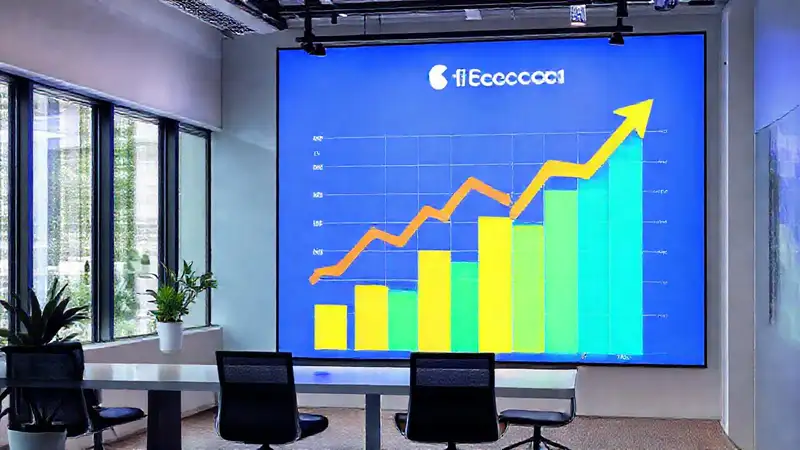
Once you’ve identified winning campaigns with a demonstrable return on investment, it’s time to consider scaling your budgets. This involves gradually increasing the amount you’re spending on those high-performing campaigns. Don’t make drastic increases all at once – a slow and steady approach is often more effective. Monitor your performance closely as you scale, looking for signs of diminishing returns.
Before scaling, ensure your targeting is still effective and that your ad creative is still compelling. Scaling a poorly performing campaign will only waste your budget. Gradually increase your daily or lifetime budget by 10-20% at a time, while continually analyzing the results. Facebook’s algorithm often rewards consistent engagement, so a consistent investment can lead to exponential growth over time. However, always maintain a healthy level of vigilance and data analysis.
5. Leveraging Facebook Pixel for Retargeting
Integrating the Facebook Pixel into your website is invaluable for optimizing your Facebook ad budget. The pixel tracks user behavior on your website, allowing you to create highly targeted retargeting campaigns. This means you can show ads to people who have already visited your website, viewed specific products, or added items to their cart – significantly increasing the likelihood of a conversion.
Retargeting campaigns often have a higher conversion rate than broader campaigns, so they can deliver a strong ROI. You can segment your retargeting audience based on their actions on your website – for example, you might create separate campaigns for users who viewed a product page but didn’t purchase, versus those who added an item to their cart. This tailored approach maximizes the effectiveness of your retargeting efforts.
Furthermore, the Pixel provides valuable data about user behavior, allowing you to refine your targeting and improve your ad creative. It’s a critical component of any sophisticated Facebook marketing strategy, allowing you to turn website visitors into paying customers and ultimately, demonstrate the value of your ad spending.
Conclusion
Determining the optimal Facebook ad budget for a small business is a dynamic process that requires ongoing monitoring and adjustments. Starting with a smaller trial budget, focusing on cost-per-click strategies, and allocating specific budgets to individual campaigns are all valuable initial steps. As you gather data and observe performance, you can strategically scale your budgets, leveraging the power of retargeting and the insights provided by the Facebook Pixel. Remember that flexibility and a commitment to continuous optimization are paramount to success.
Ultimately, successful Facebook advertising isn’t about throwing money at the problem; it’s about using data-driven insights to reach the right audience with the right message at the right time. By carefully considering your business goals, target audience, and campaign objectives, you can find a Facebook ad budget that delivers a significant return on investment and helps you achieve sustainable growth. Don’t be afraid to experiment, analyze your results, and adapt your strategy as needed – Facebook advertising is an ever-evolving landscape, and a willingness to learn and adapt is crucial for long-term success.