
The digital marketing landscape is constantly evolving, and businesses are continually searching for innovative ways to engage with potential customers and drive traffic. Traditionally, social media campaigns relied heavily on static content and reactive responses. However, a new player has entered the arena: AI-powered chatbots. These conversational tools are no longer just for customer service; they’re now a powerful asset for marketers looking to leverage social media engagement and ultimately, convert followers into leads and paying customers. Integrating chatbots seamlessly with social platforms can create a dynamic, personalized experience that significantly boosts campaign performance. Let’s explore the key AI chatbot features that are most effective at driving traffic from social media.
1. Proactive Engagement & Personalized Greetings
Proactive engagement, rather than waiting for users to initiate a conversation, is absolutely critical. AI chatbots can be programmed to recognize when a user is visiting a brand’s social media page – often identified by a specific action like liking a post or viewing a story – and initiate a personalized greeting. This initial contact can be as simple as “Welcome to [Brand Name]! Can I help you find something today?” or “Excited to see you’re interested in [Product Category]! Would you like to learn more?” The key is to move beyond generic responses and demonstrate that the brand understands the user’s immediate interest. Implementing this level of proactive outreach dramatically increases the likelihood of a conversation starting and establishes a positive first impression, instantly boosting the chance of them exploring further. Personalization is the cornerstone of effective chatbot engagement.
2. Interactive Polls & Quizzes – Social Share Amplification
Chatbots excel at creating interactive experiences that naturally encourage social sharing. Think of polls and quizzes – engaging content formats that perform incredibly well on platforms like Instagram and Facebook. An AI chatbot can easily deploy these directly within social media conversations. For example, a beauty brand could ask “What’s your biggest skincare concern this week?” followed by multiple-choice options. The responses are then recorded and can be used for targeted marketing. More importantly, users are far more likely to share their poll results or quiz scores with their networks – this organically expands the chatbot’s reach and generates valuable social traffic. Furthermore, by tying the interactive content to specific product offerings or promotions, you can subtly guide users toward conversion.
3. Seamless Social Login & Integration
The ease with which a user can interact with a chatbot is paramount. Offering seamless social login, such as allowing users to log in directly using their Facebook or Instagram credentials, significantly reduces friction and encourages immediate engagement. Beyond login, full integration with social media platforms is vital. This includes the ability to respond to direct messages, automatically share chatbot conversations to user stories (where appropriate), and even pull in relevant social media data to personalize the conversation. Without this deep integration, the chatbot feels disjointed and less effective, ultimately hindering its ability to drive meaningful engagement. A smooth user experience is key to retaining users and encouraging them to explore further.
4. Dynamic Content Delivery & Product Recommendations
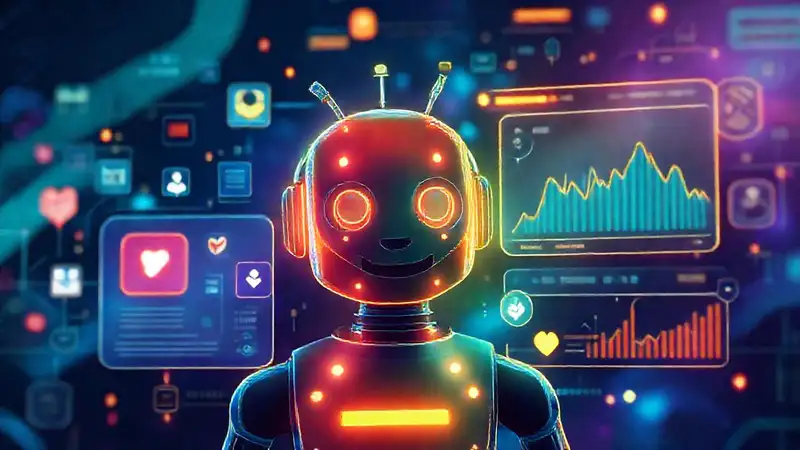
AI chatbots can dynamically deliver content based on user input and past interactions. If a user expresses interest in a specific product category, the chatbot can instantly provide tailored recommendations, showcasing relevant images, videos, and product descriptions. This eliminates the need for users to manually search and browse, streamlining the purchasing process and increasing the likelihood of a sale. Moreover, chatbots can leverage data gathered from social media activity – likes, comments, shares – to refine these recommendations over time, ensuring they remain highly relevant. This targeted approach to content delivery drastically increases the chances of converting social media followers into paying customers.
5. Lead Capture & Automated Follow-Up Sequences
Don’t just initiate a conversation – capture leads! Chatbots can be programmed to ask for essential contact information (email, phone number) in exchange for valuable content, such as a discount code or a free guide. However, the true power lies in automated follow-up sequences. After a user provides their information, the chatbot can initiate a series of personalized messages, nurturing the lead and guiding them through the sales funnel. This could include providing additional product information, showcasing customer testimonials, or offering exclusive promotions. A well-designed follow-up sequence ensures that initial social media engagement translates into tangible results and a measurable return on investment.
Conclusion
AI chatbots have fundamentally shifted the way marketers can leverage social media for traffic generation. By focusing on proactive engagement, interactive content, seamless integrations, dynamic content delivery, and robust lead capture mechanisms, brands can transform passive social media followers into active participants in their marketing efforts. The key is to move beyond simple chatbots and implement sophisticated AI-powered solutions that genuinely understand and respond to the needs and interests of individual users. As AI technology continues to advance, we can expect chatbots to play an increasingly vital role in driving successful social media marketing campaigns and ultimately, boosting business growth.