
LinkedIn has evolved beyond a simple professional networking platform; it’s now a powerful marketing channel. However, simply posting generic updates rarely delivers results. To truly engage your audience and drive conversions, you need to leverage more dynamic content. One effective strategy is embedding WordPress forms directly into your LinkedIn posts – allowing potential customers to instantly engage with your business without leaving the platform. This article, drawing insights from seotoday.in, will outline several methods and best practices for seamlessly integrating these forms and maximizing their impact on your LinkedIn presence. Let’s explore how to turn passive engagement into active leads.
Understanding the Benefits of Embedded Forms
Embedding WordPress forms directly into your LinkedIn content offers a significant advantage over traditional methods. Firstly, it dramatically increases lead generation. Instead of directing users to a separate landing page, you’re providing a direct path to conversion within the LinkedIn environment. This reduces friction and increases the likelihood of immediate action. Secondly, it boosts engagement. Dynamic forms, like quizzes or polls, can capture attention and encourage interaction, providing valuable data about your audience’s interests and preferences. Finally, it showcases your business’s professionalism and technological savvy – a positive reflection on your brand. Using tools like Gravity Forms or Ninja Forms, combined with LinkedIn’s embedding capabilities, unlocks a powerful marketing tool.
Method 1: Using the LinkedIn Share Button & URL Shortener
One of the simplest methods involves leveraging the LinkedIn share button and a URL shortener. This method relies on using a service like Bitly or TinyURL to create a short, trackable link to your WordPress form. Then, paste this shortened link directly into your LinkedIn post. LinkedIn will automatically recognize the link as a shareable URL and display a preview of your form. This provides a visually appealing representation of the form to your followers without requiring any technical setup on your end. Remember to always include a clear call to action alongside the link – telling users why they should fill out the form. This streamlined approach is fantastic for quick, easy campaigns and testing different form types.
Method 2: Leveraging LinkedIn’s ‘Rich Media’ Features
LinkedIn is increasingly embracing ‘Rich Media’ content – images, videos, carousels, and, importantly, embedded content. You can achieve the embedding effect by utilizing this feature and linking to a hosted version of your WordPress form. Some WordPress plugins, such as WPForms, offer direct integration with LinkedIn, allowing you to easily generate an embed code and then paste it into LinkedIn’s Rich Media editor. This method provides a more polished look and feel compared to simply using a shortened URL, enhancing your brand’s professionalism and visual appeal. Explore the best practices of LinkedIn’s visual content strategy to maximize the impact of your embedded form.
Method 3: Utilizing Third-Party Embedding Services
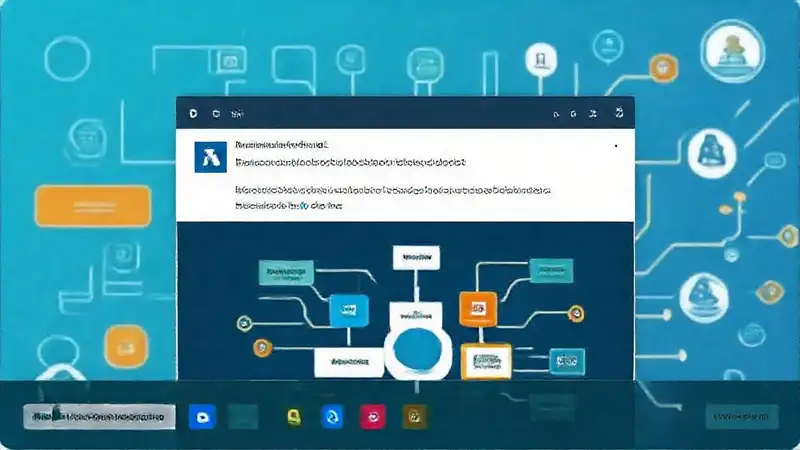
Several third-party services specialize in embedding WordPress forms into various platforms, including LinkedIn. Platforms like Embed.ly or simply utilizing the specific embedding options offered by your form builder (e.g., Gravity Forms) are invaluable. These services often provide analytics to track submissions and gauge the effectiveness of your LinkedIn campaigns. They also handle the technical complexities of ensuring the form displays correctly on LinkedIn’s platform, saving you valuable time and effort. Consider these tools particularly if you’re running more complex campaigns and need detailed tracking data to optimize your approach. Focus on services known for their reliability and security.
Method 4: Optimizing Your LinkedIn Post for Form Engagement
Simply embedding a form isn’t enough; you need to strategically craft your LinkedIn post to encourage participation. Start with a compelling headline that grabs attention and clearly states the benefit of filling out the form. For example, “Get Your Free Marketing Checklist!” or “Discover Your Ideal Customer Profile.” Use relevant hashtags to increase visibility and reach a wider audience. Include a strong call to action, such as “Click here to learn more” or “Sign up today.” Finally, tailor your post to resonate with your target audience – understand their pain points and offer a solution through your form.
Method 5: Testing and Iteration – Data Driven Approach
Regardless of the embedding method you choose, continuous testing and iteration are vital to maximizing your results. Use LinkedIn’s analytics to monitor form submission rates, click-through rates, and overall engagement. A/B test different headlines, calls to action, and even different form designs to see what resonates best with your audience. Seotoday.in emphasizes the importance of data-driven decision-making – don’t just guess what works; measure what actually does. Regularly analyze your performance and adjust your strategy accordingly, ensuring your LinkedIn form campaigns are consistently delivering results.
Conclusion
Embedding WordPress forms directly into your LinkedIn posts is a powerful strategy for boosting lead generation and engagement. By leveraging various methods, from simple URL shorteners to sophisticated embedding services, you can seamlessly integrate your forms into your LinkedIn content and drive valuable interactions. Remember that it’s not just about embedding the form, but about crafting a compelling post that encourages users to take action and provides them with a clear understanding of the benefit they’ll receive. Consistent testing and a data-driven approach will allow you to continuously optimize your campaigns and achieve maximum results, solidifying your brand’s presence on this increasingly important professional platform.