
The digital marketing landscape is constantly evolving, demanding innovative strategies to capture attention and, crucially, generate leads. Traditional methods are becoming less effective, and marketers are searching for ways to engage potential customers in a more personalized and immediate way. One increasingly popular solution is the integration of chatbots into social media advertising campaigns. These AI-powered assistants aren’t simply answering frequently asked questions; they’re actively participating in the lead generation process, providing a seamless and interactive experience that can dramatically improve conversion rates. Let’s delve into how chatbots, specifically when paired with targeted social media ads, are reshaping the way businesses acquire valuable prospects.
1. Targeted Social Media Ads as the Initial Spark
Social media advertising platforms like Facebook, Instagram, and LinkedIn offer incredibly granular targeting options. You can reach audiences based on demographics, interests, behaviors, and even custom audiences – lists of existing customers or website visitors. However, simply showing an ad isn’t enough. It needs to resonate with the viewer and compel them to take action. This is where chatbots step in. A well-designed chatbot, triggered by a user clicking on a specific social media ad, can immediately qualify the lead, offering personalized information relevant to their interests. For example, an ad promoting a new running shoe could direct users to a chatbot that asks about their running style and experience, instantly segmenting leads into different categories based on their needs. Without this immediate interaction, a potential customer may simply scroll past the ad and remain unaware of the offer.
2. Instant Qualification & Lead Scoring
Chatbots excel at initial qualification, saving your sales team valuable time and resources. Instead of a human agent needing to manually ask a lengthy series of questions, the chatbot can efficiently gather crucial information about the lead’s needs and intent. They can automatically ask questions like, “What are you hoping to achieve with [product/service]?” or “What’s your budget range?”. These responses allow you to assign a score to each lead based on their alignment with your ideal customer profile – a process known as lead scoring. Higher scores represent leads who are more likely to convert, allowing your sales team to prioritize their outreach and focus on the most promising prospects. This targeted approach dramatically improves efficiency and reduces wasted effort.
3. Personalized Conversations & Engaging Content
Generic, automated responses are a major turn-off for potential customers. A sophisticated chatbot, integrated with your CRM, can deliver personalized conversations based on the lead’s initial interactions. It can remember past conversations, reference information gleaned from the ad they clicked, and offer tailored content – perhaps a relevant case study, a product demo video, or a special offer. This level of personalization creates a significantly more engaging experience, demonstrating that you understand the lead’s specific requirements. Furthermore, chatbots can be programmed to deliver interactive content like quizzes or polls, collecting valuable data about the lead’s preferences and building rapport.
4. Seamless Handoff to Sales – A Smooth Transition
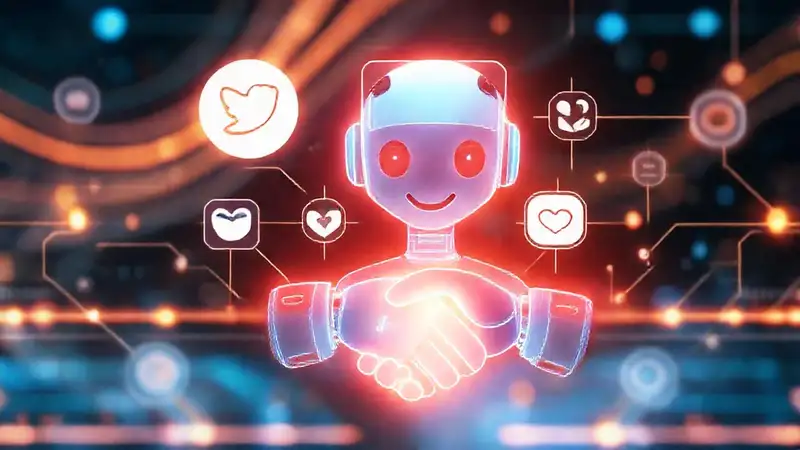
While chatbots are excellent at qualifying and engaging leads, they aren’t intended to replace human sales representatives. The real power lies in the seamless hand-off process. When the chatbot determines a lead is ready, it can automatically transfer the conversation to a live agent with all the gathered information. This eliminates the need for the lead to repeat their needs, making the sales process much smoother and more efficient. The chatbot can also provide the agent with context, such as the specific ad that triggered the conversation, allowing them to tailor their approach even further. A smooth transition demonstrates a commitment to customer service and streamlines the entire sales cycle.
5. Data Collection & Continuous Optimization
Chatbots generate a wealth of data about your leads – their interests, questions, and responses. This data is invaluable for optimizing your social media advertising campaigns and refining your chatbot’s performance. You can track which ads are driving the most qualified leads, which chatbot questions are generating the most valuable responses, and identify areas where your messaging needs improvement. By analyzing this data, you can continuously adjust your targeting, ad copy, and chatbot flow to maximize lead generation and improve conversion rates. Utilizing this data creates a virtuous cycle of optimization, ensuring your social media advertising efforts remain effective over time and drive real, measurable results.
Conclusion
Integrating chatbots into your social media advertising strategy is no longer a futuristic concept – it’s a powerful and proven method for generating high-quality leads. By combining the precision of targeted ads with the interactive capabilities of AI-powered assistants, businesses can create a truly compelling lead generation experience. Remember to prioritize personalization, seamless hand-offs, and continuous optimization to unlock the full potential of this innovative approach. Investing in a well-designed chatbot and strategically integrating it with your social media campaigns is a key step towards boosting your sales pipeline and achieving sustainable growth in today’s competitive market – focusing on delivering a valuable and engaging user experience is paramount to success.