Pinterest has evolved dramatically from a simple image discovery platform to a powerful marketing tool, particularly for bloggers. It’s no longer just about pretty pictures; it’s a vibrant ecosystem where users actively search for inspiration, ideas, and solutions. For bloggers seeking to diversify their income streams and expand their reach, understanding how to effectively monetize their Pinterest presence is absolutely crucial. Success on Pinterest hinges on strategic planning and consistent effort, focusing on creating valuable content and connecting with the right audience. Let’s delve into the most effective monetization methods and how to implement them for optimal results.
Pinterest’s unique algorithm rewards businesses and creators who consistently provide engaging and helpful content. This isn’t about simply shoving links at users; it’s about building a community and offering a genuinely valuable experience. By strategically utilizing the platform’s features and understanding user behavior, bloggers can transform their Pinterest accounts into significant sources of revenue. This article will break down the most promising monetization techniques, from affiliate marketing to selling digital products, providing actionable insights to help you unlock the full potential of your Pinterest presence.
1. Affiliate Marketing: Driving Sales Through Recommendations
Affiliate marketing on Pinterest is incredibly effective because it aligns perfectly with the platform’s visual and inspirational nature. Instead of directly selling your own products (though you can do that later), you promote products from other companies and earn a commission on any sales generated through your unique affiliate links. The key is to create visually appealing pins showcasing the product in a lifestyle context – demonstrating how it solves a problem or fulfills a desire. Users are more likely to click on a pin showcasing a beautiful outfit paired with a recommended accessory, or a cozy home décor setup featuring a linked blanket.
When selecting affiliate programs, prioritize niches that resonate with your blog’s content and your audience’s interests. Don’t just blindly promote anything; choose products you genuinely believe in and that offer real value. Transparency is also incredibly important – clearly disclose that your pins contain affiliate links. This builds trust with your audience and adheres to FTC guidelines. Platforms like Amazon Associates, ShareASale, and Commission Junction offer diverse affiliate programs to suit various blogs. Optimizing your pin descriptions with relevant keywords related to the product and your blog topic will boost your visibility.
Furthermore, utilize Pinterest’s Rich Pins feature. Rich Pins automatically pull product information, such as price and availability, directly from the retailer’s website, making it incredibly easy for users to purchase. This not only simplifies the buying process but also provides immediate credibility and reassurance. Experiment with different types of Rich Pins – Product, Recipe, and Article – to see which performs best for your specific content. Consistent pinning and engagement are essential for maximizing your affiliate marketing efforts on Pinterest – aim for daily pinning and actively respond to comments.
2. Selling Digital Products: Leveraging Visual Appeal
Bloggers often possess valuable knowledge and skills that can be packaged into digital products, such as eBooks, templates, printables, online courses, or stock photos. Pinterest is the perfect platform to showcase these offerings, as the visual nature of the platform lends itself beautifully to demonstrating the value and benefits of your products. Instead of a generic product page, create stunning pins that visually represent the contents or outcomes of your digital product.
For example, if you sell website templates, showcase mockups of websites built with your templates. If you offer an eBook on photography, create a visually captivating pin featuring beautiful photographs taken with the techniques outlined in the book. Remember to include a clear call to action, such as “Download Now” or “Learn More,” and direct users to your sales page. Utilizing Pinterest’s Shop feature is a fantastic way to directly sell your digital products – it allows users to purchase without leaving the platform, streamlining the buying process.
Consider creating a Pinterest board specifically dedicated to your digital products, showcasing their diverse uses and highlighting positive customer testimonials. Running targeted Pinterest ads can also significantly boost the visibility of your digital product pins and reach a wider audience. Don’t underestimate the power of creating ‘how-to’ pins that demonstrate the value of your product – for instance, a short video showing how to use a template.
3. Promoting Your Blog Posts: Driving Traffic and Engagement
While Pinterest is a visually driven platform, it’s fundamentally about driving traffic back to your blog. Creating pins that link directly to your blog posts is one of the most effective ways to leverage Pinterest for blog growth. Choose images that are eye-catching, relevant, and accurately represent the content of your post. Craft compelling pin descriptions that include relevant keywords and entice users to click through to your blog.
Optimize your pin descriptions with a strong call to action, encouraging users to “Read More,” “Learn More,” or “Discover.” Utilize relevant hashtags to increase your pin’s visibility and reach a wider audience. Pinterest analytics can provide valuable insights into which pins are performing best and which keywords are driving the most traffic. Don’t just pin once and forget about it; consistently repin your own content and engage with other users’ pins.
Experiment with different pin formats – standard images, video pins, and story pins – to see which resonates best with your audience. Story pins, in particular, are gaining popularity and offer a dynamic way to tell your story and showcase your blog’s content. Remember to consistently update your blog with fresh, high-quality content to keep your audience engaged and drive continued traffic from Pinterest.
4. Pinterest Shop: A Direct Sales Channel
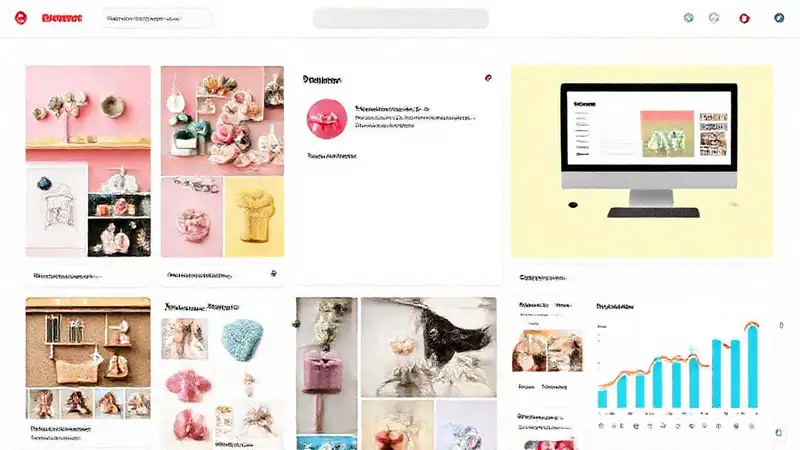
Pinterest Shop is a feature that allows businesses to directly sell products on the platform, bypassing the need for users to navigate to an external website. This streamlines the purchasing process and provides a seamless shopping experience, encouraging impulse buys and boosting sales. To set up a Pinterest Shop, you’ll need to integrate your existing e-commerce platform (like Shopify or Etsy) with Pinterest.
Once your shop is set up, you can create pins that directly link to your product listings within your shop. These pins will display product images, prices, and descriptions, making it incredibly easy for users to purchase. Pinterest Shop also provides valuable analytics, allowing you to track sales, monitor product performance, and optimize your shop for maximum conversions. Utilizing product tags and categories helps users quickly find what they’re looking for within your shop.
Promoting your Pinterest Shop through targeted advertising is a highly effective way to reach potential customers and drive sales. Consider offering exclusive discounts or promotions within your shop to incentivize purchases. Regularly updating your shop with new products and showcasing seasonal offerings will keep your shop fresh and engaging for your audience. Don’t forget to actively respond to customer inquiries and provide excellent customer service.
5. Collaboration and Group Boards: Expanding Your Reach
Collaborating with other bloggers and brands on Pinterest can significantly expand your reach and introduce your content to a new audience. Participating in group boards, which are collaborative boards curated by multiple users, is a fantastic way to achieve this. Find group boards that align with your niche and actively contribute high-quality pins that resonate with the board’s theme.
When pitching collaboration ideas, be specific about what you can offer. For example, you could propose a joint giveaway, a cross-promotion of each other’s content, or a collaborative Pinterest board. Networking with other bloggers and influencers in your niche can also lead to valuable partnerships and collaborations. Engaging with other users’ pins and leaving thoughtful comments can help you build relationships and establish yourself as a trusted voice within the Pinterest community.
Remember to always follow the guidelines of the group boards you participate in. Respect the board curator’s rules and contribute pins that are relevant to the board’s theme. Promoting your own brand consistently, while also showcasing the work of others, is key to building strong relationships and fostering a thriving Pinterest community.
Conclusion
Successfully monetizing your Pinterest presence requires a multifaceted approach, combining strategic content creation, targeted promotion, and a deep understanding of the platform’s algorithm. By focusing on creating visually appealing pins that drive traffic to your blog and offering valuable products or services, you can transform Pinterest into a significant revenue stream. Remember that consistency and engagement are crucial – regular pinning, responding to comments, and actively participating in the Pinterest community will reap rewards in the long run. Don’t be afraid to experiment with different monetization methods and track your results to determine what works best for your specific niche and audience. Pinterest is a dynamic platform, so stay updated on the latest features and trends to maintain a competitive edge. Ultimately, Pinterest is a powerful tool for bloggers, but it’s up to you to harness its potential and build a thriving online presence.