
Running an SEO blog can be a rewarding endeavor, offering valuable insights and expertise to a wide audience. However, turning that knowledge into a sustainable income stream requires more than just great content. Integrating Google AdSense is a common strategy for monetization, but simply slapping ads on your site won’t guarantee success. Understanding and optimizing key AdSense metrics is crucial to maximizing your earnings and truly leveraging the potential of your blog. This article on de seotoday.in will delve into those vital metrics, providing actionable insights to help you boost your AdSense revenue. Let’s explore what really matters.
1. Click-Through Rate (CTR)
The Click-Through Rate, or CTR, is arguably the most fundamental AdSense metric. It represents the percentage of people who see your ad and actually click on it. A low CTR signals a problem – your ads might be poorly placed, unappealing, or not relevant to your audience. Analyzing your CTR allows you to identify which ads are performing poorly and which ones are resonating with your readers. Ideally, you’re aiming for a CTR above 0.5%, but this can vary significantly depending on your niche and ad format. Experiment with different ad placements – above the fold, within content, in sidebars – and test various ad sizes to discover what drives the highest clicks. Don’t just rely on Google’s automatic placement; strategically guiding your users to your ads is key. Furthermore, regularly reviewing your CTR across different content pieces will highlight sections of your blog that are particularly engaging and, therefore, more receptive to advertising.
2. Impressions and Viewability
While clicks are important, you also need to consider impressions and viewability. Impressions refer to the number of times your ad was displayed, regardless of whether anyone clicked on it. Viewability, on the other hand, measures how often your ad was actually seen by a user. Google AdSense tracks viewability using algorithms that assess whether your ad was visible for a minimum duration – typically 50% of the time it was on screen. High impressions suggest your blog is attracting a lot of traffic, which is a positive sign. However, low viewability indicates that your ads are being hidden behind text, images, or scrolling, rendering them useless. Optimizing ad placement to ensure maximum visibility is essential – avoid placing ads directly above or below lengthy paragraphs. Investigate tools to analyze ad placement and adjust accordingly to improve the percentage of viewers actually seeing your ads. Remember, getting your ads seen is the first step to getting them clicked.
3. Earnings Per Click (EPC)
EPC is a critical metric for gauging the profitability of your AdSense campaign. It represents the average amount of revenue you earn for each click on your ads. Calculating EPC is straightforward: divide your total earnings by the total number of clicks. A healthy EPC generally falls between $0.50 and $2.00, but this can fluctuate dramatically based on your niche and audience. Niches with higher-paying advertisers will naturally result in a higher EPC. However, even within a niche, factors like ad placement, audience engagement, and content quality can significantly impact your EPC. Continuously analyzing your EPC allows you to identify high-performing content and prioritize optimizing those pieces for increased ad revenue. Don’t just focus on the total earnings; the efficiency of each click is what truly matters.
4. AdSense Quality Score
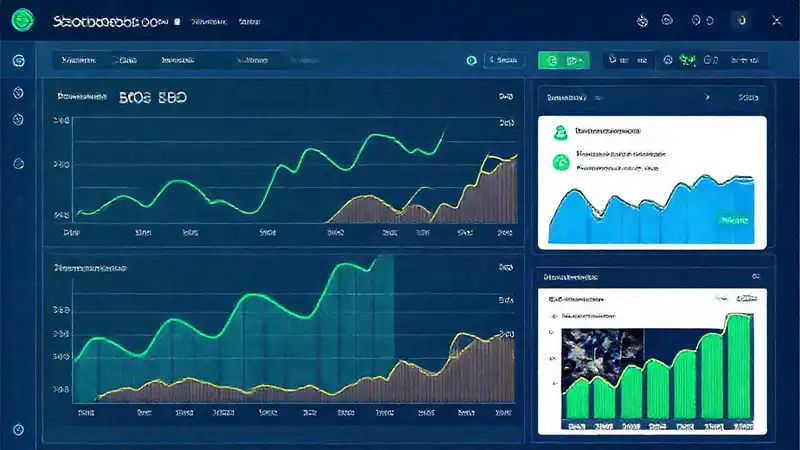
Google’s Quality Score assesses the overall quality of your website, including its content, relevance to ads, and user experience. A higher Quality Score can translate to better ad positions, higher bids, and ultimately, increased revenue. Google uses various factors to determine your Quality Score, including expected CTR, ad relevance, and landing page experience. Creating high-quality, informative content that directly addresses the needs of your audience will naturally improve your Quality Score. Furthermore, ensuring your website is mobile-friendly and loads quickly are crucial components of a good Quality Score. Regularly check your Quality Score in your AdSense account – it’s a valuable indicator of your site’s overall health and potential for monetization.
5. Ad Blockers & Bot Traffic
A significant portion of your traffic might be coming from ad blockers or bots, which effectively prevent your ads from being displayed and clicked. Monitoring your traffic sources and identifying the percentage of traffic originating from ad blockers is crucial. Tools like Google Analytics can help you track this. Similarly, excessive bot traffic can skew your metrics and artificially deflate your revenue. Implement measures to combat bot traffic, such as using CAPTCHAs and analyzing user behavior for suspicious patterns. Addressing ad blocker usage – perhaps by offering exclusive content to those who disable them – can also contribute to increased ad revenue. Ignoring these issues can seriously hinder your AdSense performance.
Conclusion
Successfully monetizing an SEO blog through AdSense requires a strategic approach that goes beyond simply publishing content. Understanding and diligently monitoring key AdSense metrics – CTR, impressions, viewability, EPC, Quality Score, and traffic sources – is absolutely essential. By actively analyzing these numbers and implementing targeted optimizations, you can dramatically improve your AdSense performance and unlock the true earning potential of your website. Regularly reviewing your analytics, experimenting with different ad placements, and focusing on providing valuable content to your audience will ultimately lead to sustained and increasing revenue. Don’t just let your ads run; actively manage them and use data-driven insights to maximize your returns.