
Local SEO is no longer just a buzzword for businesses with brick-and-mortar stores; it’s a critical component of a successful e-commerce strategy, particularly for businesses that have a physical presence alongside their online shop. Many e-commerce stores operate with multiple locations, serving customers in specific geographic areas. Ignoring local search results means missing out on a significant pool of potential customers actively searching for products or services nearby. This article will delve into how effectively leveraging local SEO can dramatically boost visibility, drive foot traffic, and ultimately increase sales for e-commerce businesses with physical locations, exploring key tactics and strategies to implement. Let’s explore how you can transform your online presence to capture the local market.
Google My Business Optimization
Google My Business (GMB) is arguably the most important tool for local SEO. For e-commerce stores with physical locations, optimizing your GMB profile isn’t just beneficial, it’s essential. Claiming and verifying your listing is the first step, ensuring that Google recognizes you as the legitimate owner of the business. Then, populate every section thoroughly with accurate information – address, phone number, website, operating hours (including holiday hours), and a detailed description of your offerings. Regularly update your GMB profile with fresh content, such as new product announcements, seasonal promotions, and photos showcasing your store’s atmosphere and products. Don’t underestimate the power of high-quality images; visually appealing content dramatically increases engagement and improves your ranking. Finally, actively respond to customer reviews, both positive and negative, demonstrating that you value customer feedback and are committed to providing excellent service.
Local Keyword Research and Website Integration
Understanding the local search terms your target customers are using is paramount to effective local SEO. Start by researching keywords relevant to your products and location. Use tools like Google Keyword Planner, Ahrefs, or SEMrush to identify phrases people are actually searching for, such as “best [product] near me” or “[product] store in [city].” Once you have a list of relevant keywords, strategically integrate them into your website content, including product descriptions, page titles, meta descriptions, and image alt text. Ensure your website’s structure supports local search – consider creating dedicated pages for each store location, outlining their specific offerings and contact information. Furthermore, implement schema markup on your website to provide search engines with more context about your business, aiding them in understanding your location and services.
Local Citations and Directory Listings
Building a strong network of local citations – mentions of your business name, address, and phone number (NAP) on other websites – significantly boosts your local authority. Ensure your NAP information is consistent across all online directories, including Yelp, Yellow Pages, Bing Places for Business, Apple Maps, and industry-specific directories. Consistency is key; even minor variations in your NAP can negatively impact your search rankings. Utilize citation building services or manually submit your business to relevant directories. Focus on authoritative and relevant directories within your niche – a listing in a specialized local food directory will be more valuable than a listing on a generic listing site.
Local Link Building Strategies
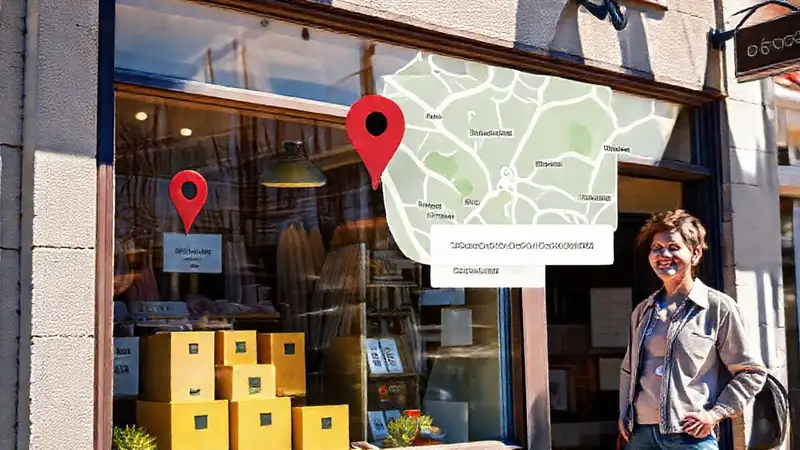
Earning backlinks (links from other websites to yours) is a crucial ranking factor for local SEO. Focus on acquiring links from local businesses, community organizations, and local news outlets. Sponsor local events, partner with complementary businesses for cross-promotions, and offer discounts to local residents. Create valuable content that attracts backlinks naturally – blog posts about local events, guides to your area, or interviews with local figures. Participate in local online communities and forums, providing helpful information and subtly linking back to your website when appropriate. Building relationships with local influencers can also generate valuable backlinks and increase brand awareness. Prioritize links from high-authority, geographically relevant sites for maximum impact – a link from a local news website carries significantly more weight than a link from a generic travel blog.
Mobile Optimization and Speed
With a growing number of consumers searching for local businesses on their mobile devices, ensuring your website is fully mobile-friendly is non-negotiable. Google prioritizes mobile-first indexing, meaning your mobile site is the primary version used for ranking. Design your website with a responsive layout that adapts seamlessly to different screen sizes. Furthermore, optimize your website’s speed – slow loading times frustrate users and negatively impact your rankings. Use tools like Google PageSpeed Insights to identify and address any performance issues. Consider using a CDN (Content Delivery Network) to improve website speed for users located in different geographic areas.
Conclusion
Successfully implementing local SEO for e-commerce stores with physical locations requires a strategic and sustained effort. By prioritizing Google My Business optimization, conducting thorough local keyword research, building a robust network of citations and backlinks, and ensuring mobile-friendliness and website speed, you can dramatically improve your visibility in local search results. Don’t view local SEO as an add-on; treat it as a core component of your overall digital marketing strategy, focused on connecting with and serving your local customer base. Investing in these tactics will translate directly into increased foot traffic, local sales, and sustained growth for your e-commerce business.