The freemium model, where a basic version of a product is offered for free while premium features are available for a fee, is a prevalent strategy in the WordPress plugin market. However, attracting users to the free tier is only half the battle. Keeping them engaged and ultimately converting them to paying customers is a significant challenge. Many free WordPress plugins struggle with high churn rates. A crucial element often overlooked is the implementation of effective loyalty programs – strategies designed to foster a sense of connection and reward continued use. This article delves into the strategies that most successfully retain users of freemium WordPress plugins, examining the core principles and practical approaches that drive long-term engagement and monetization. We’ll explore how thoughtfully designed loyalty programs can transform casual users into dedicated, paying subscribers.
Understanding the Freemium User Journey
The journey of a freemium WordPress plugin user differs vastly from that of a paying customer. Initially, they’re drawn in by the perceived value of the free offering – a quick fix for a specific need, or simply a gateway to explore the potential of the plugin. Many are testing the waters, experimenting with different settings, and understanding the basic functionality. This early stage is characterized by low investment and minimal commitment. A significant portion will simply stop using the plugin after a short period, perhaps moving on to another alternative or simply abandoning the task it was intended to solve. Therefore, understanding this initial exploration phase is critical; loyalty programs need to be implemented before the user starts experiencing frustration with the limitations of the free version. Focusing on gentle onboarding and demonstrating immediate value are paramount.
The Power of Tiered Rewards
One of the most effective strategies for retaining freemium users involves implementing a tiered rewards system. Rather than offering a single, generic reward, users unlock progressively more valuable benefits as they increase their usage or spend more time within the plugin. This creates a sense of progression and encourages continued engagement. For example, a plugin offering social media integration could reward users with access to advanced analytics after a certain number of posts, or increased buffer sizes after a certain number of active users. These tiers shouldn’t feel overly complex; clear communication about how to unlock each level is vital. Furthermore, the rewards themselves need to be genuinely desirable – aligning with the user’s goals and needs within the context of the plugin.
Gamification & Progress Bars
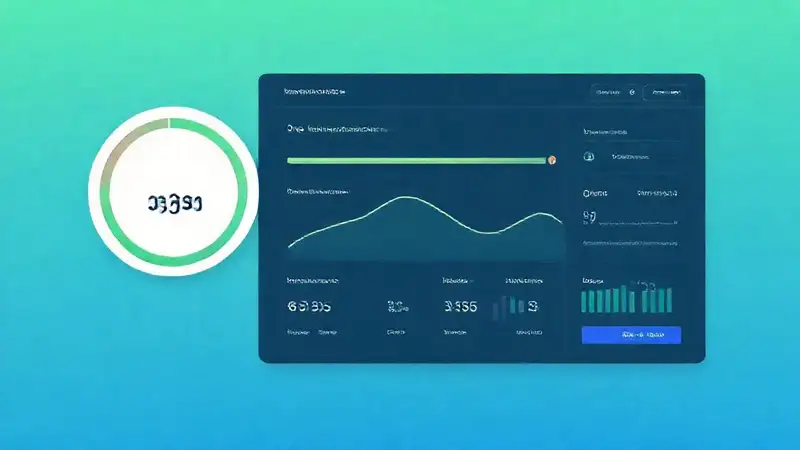
Integrating elements of gamification can significantly boost user retention. Adding progress bars that visually represent a user’s advancement towards the next reward, badges for completing specific tasks, or even mini-challenges related to the plugin’s functionality can create a more engaging and rewarding experience. This taps into the psychological principle of motivation, encouraging users to actively explore the plugin’s features and strive for achievement. For instance, a plugin focused on SEO could award badges for optimizing specific keywords or building backlinks. These small, achievable goals provide a sense of accomplishment and subtly promote deeper adoption of the plugin. Don’t overdo it; the gamification must be integrated seamlessly and enhance, not detract from, the core functionality.
Personalized Communication & Feedback
Generic email blasts are rarely effective. To truly retain freemium users, it’s vital to personalize the communication and provide tailored feedback based on their usage patterns. A plugin that tracks user activity can identify areas where they’re struggling or underutilizing specific features, and then offer targeted guidance or prompts. Implementing automated email sequences that celebrate milestones, offer helpful tips, or highlight the benefits of upgrading can be incredibly impactful. This shows users that you’re paying attention to their experience and genuinely invested in their success. Collecting user feedback and acting upon it is equally important – demonstrating a commitment to continuous improvement builds trust and strengthens the relationship.
Conclusion
Successfully retaining freemium WordPress plugin users hinges on creating a compelling and rewarding experience that transcends the basic functionality of the free version. Loyalty programs, when strategically implemented and carefully monitored, are undeniably a powerful tool in this endeavor. By layering rewards, integrating gamification, personalizing communication, and continually seeking user feedback, developers can transform casual users into loyal advocates and, ultimately, paying subscribers. Focusing on demonstrating value early and fostering a sense of connection will significantly improve long-term engagement and boost the overall success of the freemium business model. Investing in a well-designed loyalty strategy isn’t just about acquiring new customers; it’s about cultivating a thriving community around your plugin.