The world of marketing is constantly evolving, demanding ever more sophisticated strategies to capture consumer attention. Traditional methods are yielding diminishing returns, pushing brands to explore new avenues for reaching their target audiences. One increasingly valuable tool in this quest is predictive analytics. Gone are the days of simply hoping a campaign will resonate; today, marketers can leverage data to anticipate audience response and optimize campaigns before they even launch. Specifically, within the realm of social media, identifying the influencers who consistently drive high engagement is becoming a crucial element of any successful strategy. This article delves into how predictive analytics is being used to identify these key players and why understanding their engagement patterns is vital for maximizing ROI.
Identifying Influencers Through Predictive Modeling
Predictive analytics isn’t about crystal balls – it’s about applying statistical algorithms to historical data. When it comes to influencers, this means analyzing a vast array of metrics beyond just follower count. Factors like past post performance – likes, comments, shares, saves – are fed into a model alongside demographic data of the influencer’s audience, their content themes, and the time of posting. By training the algorithm on historical data, marketers can build a predictive model that identifies influencers most likely to generate high engagement. This moves beyond gut feelings and anecdotal evidence to a data-driven assessment, offering a significantly more accurate picture of potential impact. The core concept here is using historical data to forecast future performance.
Beyond Follower Count: Engagement Metrics Matter
While a large follower count is often perceived as a sign of influence, it’s a misleading indicator of true engagement. An influencer with 1 million followers who receives only a handful of comments and likes isn’t as valuable as one with 50,000 highly engaged followers. Predictive models excel at factoring in a granular set of engagement metrics. These include the interaction rate (engagement divided by followers), the average comment length, the percentage of posts with replies, and even the sentiment of comments (positive, negative, neutral). Analyzing these nuances, alongside audience demographics – like age, location, interests – allows for a more targeted and effective influencer selection process. Focusing on quality over quantity is paramount; ultimately, engagement is the true measure of influence.
Understanding Audience Overlap: A Key Predictive Factor
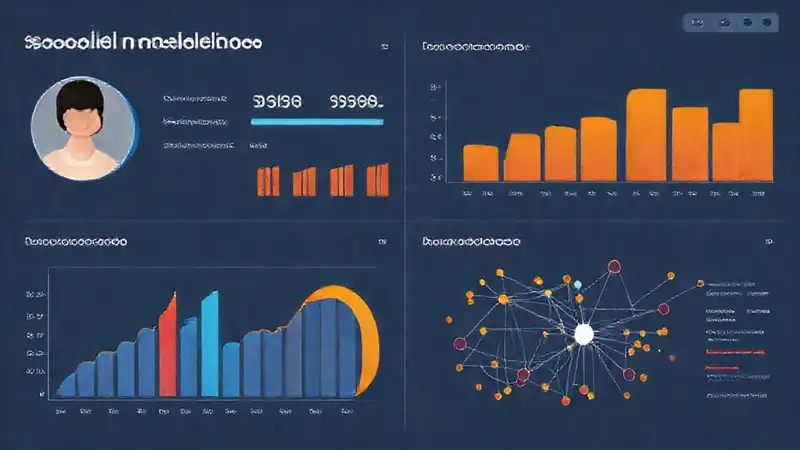
Predictive analytics doesn’t stop at individual influencer performance; it extends to understanding the overlap between an influencer’s audience and a brand’s target audience. Brands aren’t interested in influencers with large, generic followings – they need to reach their ideal customer. Sophisticated models can map audience demographics and interests, highlighting influencers whose audiences align strongly with the brand’s target market. This is achieved through techniques like audience segmentation and similarity analysis. By quantifying the degree of overlap, marketers can confidently predict how effectively an influencer’s content will resonate with their potential customers. Ignoring this crucial element risks massive wasted investment.
Sentiment Analysis & Content Resonance: Predicting Future Reactions
Beyond basic engagement metrics, predictive analytics can now incorporate sentiment analysis – assessing the emotional tone of comments and reactions to an influencer’s posts. A positive sentiment score indicates a strong connection between the influencer and their audience, signaling potential for brand advocacy. Furthermore, the algorithm can analyze the type of content that generates positive sentiment. Does the influencer consistently post content that sparks conversations, inspires action, or evokes strong emotions? Identifying patterns in successful content allows marketers to guide influencers towards creating content that will further boost engagement and, ultimately, drive conversions. This predictive ability to understand and anticipate audience reaction is a game changer.
Conclusion
Predictive analytics is reshaping the landscape of social media marketing, empowering brands to move beyond intuition and make data-driven decisions about influencer partnerships. By incorporating a holistic view of engagement metrics, audience overlap, and sentiment analysis, marketers can identify the influencers who truly resonate with their target audiences and deliver the highest returns on their investment. The shift from guesswork to quantifiable prediction is crucial for success in today’s competitive digital environment. Ultimately, leveraging predictive analytics isn’t simply about finding popular influencers; it’s about strategically aligning them with brand objectives and maximizing impact.