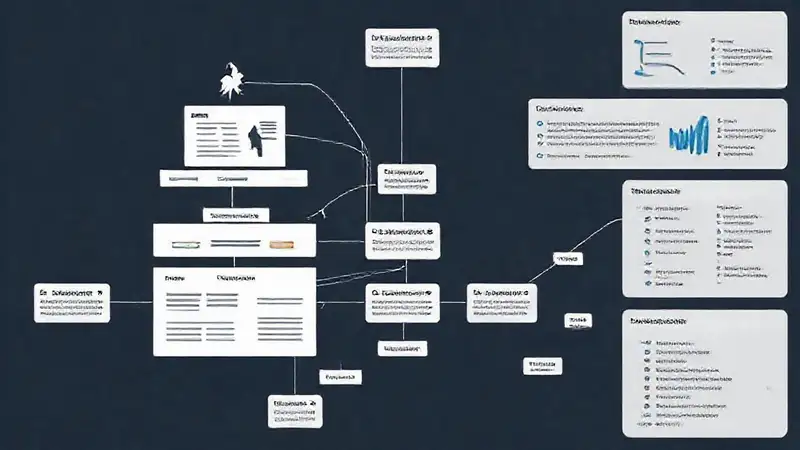
Understanding website architecture is absolutely critical for successful SEO in today’s digital landscape. It’s not just about stuffing keywords into content; it’s about creating a logical and navigable structure that both Google and your users can easily understand. A poorly designed site can lead to lost traffic, lower rankings, and a frustrating user experience. Within this architectural framework, the concept of ‘page depth’ – referring to the number of clicks it takes to reach a specific page from your homepage – plays a surprisingly significant role. This article will delve into how page depth affects your site’s SEO performance, crawlability, and overall user experience, offering strategies for optimization. Let’s explore how crafting a well-organized site helps you climb the search engine rankings.
The Relationship Between Page Depth and Ranking
Page depth directly impacts how quickly Googlebot, the Google crawler, can understand and index your content. Deeper pages, requiring multiple clicks to access, can take longer to crawl, leading to a delayed indexing process. This delay can result in your content not appearing in search results as quickly, potentially missing out on valuable organic traffic. Conversely, a shallow site structure – where key pages are easily accessible from the homepage – allows Google to rapidly scan and index your entire site, boosting its visibility and potential for ranking. Focusing on a logical hierarchy and minimizing clicks to important content is a foundational element of any effective SEO strategy. The faster you get indexed, the faster you can start seeing results from your efforts.
Crawlability and Googlebot’s Efficiency
Googlebot’s ability to efficiently crawl your website is paramount to its ranking. Deeply nested pages, especially those with limited internal linking, can be difficult for Googlebot to discover and follow. This creates a bottleneck, slowing down the crawling process and potentially leading to incomplete indexing. A streamlined site with a shallow structure allows Googlebot to effortlessly traverse the site, identifying all the relevant content and establishing relationships between pages. This improved crawlability not only speeds up indexing but also ensures that Googlebot doesn’t miss any crucial pages, ultimately contributing to a more comprehensive index and improved rankings. Regularly using Google Search Console’s crawl report is essential for monitoring and addressing crawlability issues.
User Experience and Navigation

Beyond technical aspects, page depth significantly influences the user experience. A deep and convoluted site structure can be frustrating for visitors, leading to high bounce rates and low time on page – both negative signals to search engines. Users prefer websites that are easy to navigate, offering a clear path to the information they seek. Shallow sites, with a clear hierarchy and intuitive navigation, provide a seamless experience, encouraging users to explore more pages and stay on your site longer. Prioritizing user-friendliness is not just good practice; it’s a direct signal to Google that your website is valuable and provides a positive experience for visitors.
Internal Linking and Page Depth
Strategic internal linking is absolutely crucial for managing page depth and improving crawlability. When a deep page links back to the homepage or other key pages, it essentially “shortens” the path for Googlebot, allowing it to quickly discover and index that content. Conversely, pages that are isolated and lack internal links can remain hidden within the vastness of your site. Using descriptive anchor text when linking between pages helps Google understand the context of the link and reinforces the importance of the target page. A well-executed internal linking strategy dramatically improves the accessibility and discoverability of all pages, regardless of their depth within your site.
Conclusion
Ultimately, optimizing page depth is a multifaceted approach that combines technical SEO best practices with a keen understanding of user needs. By prioritizing a shallow, well-structured site with strategic internal linking, you can significantly enhance your website’s crawlability, improve its user experience, and boost your chances of ranking higher in search results. Remember that a slow, confusing website is a lost opportunity—investing in a proper site architecture is an investment in your long-term SEO success. Don’t underestimate the power of a simplified, easily navigable website – it’s a powerful tool in your digital marketing arsenal.