
E-commerce websites thrive on visibility and driving targeted traffic. Traditional SEO tactics, while still important, are becoming increasingly complex and competitive. Simply ranking high for broad keywords isn’t enough to guarantee sales. To truly stand out and optimize for conversions, e-commerce businesses need to embrace a more data-driven approach – and that’s where A/B testing comes in. This article will delve into how utilizing A/B testing can dramatically improve your SEO efforts, leading to increased organic traffic, higher conversion rates, and ultimately, more revenue. We’ll explore practical strategies, tools, and best practices to help you move beyond guesswork and make informed decisions about your website’s performance.
A/B testing isn’t just about tweaking minor design elements; it’s a fundamental methodology for understanding user behavior and identifying what resonates most with your target audience. By systematically comparing different versions of a page, you can pinpoint exactly what’s driving results – or hindering them. This allows you to refine your content, product descriptions, calls to action, and even your overall website layout with confidence, leading to a significant boost in your SEO rankings and sales. Let’s explore how you can leverage this technique specifically within the dynamic landscape of e-commerce.
1. Testing Product Page Headlines & Descriptions
Product page headlines and descriptions are arguably the most crucial elements for driving initial engagement and informing a potential buyer. Simply having a product listed isn’t enough; you need to immediately grab their attention and communicate its value proposition. A/B testing allows you to experiment with different headline lengths, tones of voice, and key benefit focuses. For example, you might test a headline focusing on a problem the product solves versus one highlighting its features. Don’t be afraid to try a longer, more descriptive headline versus a shorter, punchier one – data will tell you which performs better for your specific products and audience. Furthermore, the body of the description itself can be optimized.
Consider testing different levels of detail – are customers more likely to purchase if they get a quick summary or a more thorough explanation? You could even test the placement of key features. Running an A/B test on the placement of bullet points, or incorporating more emotive language, can significantly impact click-through rates and ultimately, sales. Remember, the goal is to tailor your product page content to align with customer search intent, addressing the specific questions and needs they’re likely to have when they land on your page. Implementing a robust A/B testing strategy for product pages contributes directly to improving your keyword rankings.
Another tactic involves testing different calls to action (CTAs). Instead of a generic “Add to Cart,” try variations like “Shop Now,” “Get Yours Today,” or “Limited Stock – Order Now.” These subtle changes can have a surprising impact. By continually analyzing your test results and identifying winning variations, you can create consistently high-performing product pages that not only attract attention but also drive conversions – a major win for your e-commerce efforts.
2. Optimizing Call-to-Action Buttons
The call-to-action button is the key driver of a user’s journey towards a purchase. A/B testing this element allows you to refine the phrasing, color, size, and placement of your buttons to maximize their effectiveness. Start with testing different CTA verbs – “Buy Now,” “Add to Cart,” “Checkout,” “Explore More” – to see which resonates most with your target audience. Don’t underestimate the power of color; different colors evoke different emotions and can significantly impact click-through rates. Green is often associated with trust and security, while red can convey urgency.
Consider experimenting with the size of your buttons. Are they too small to easily tap on mobile devices? Are they too large and visually overwhelming? Furthermore, A/B testing the placement of your CTA buttons is crucial. Strategic placement, like above the fold or near relevant product information, can dramatically increase their visibility and effectiveness. Tools like Google Optimize or Optimizely can easily implement these tests, tracking click-through rates and conversions to determine the best performing options. Consistent experimentation helps you hone in on the perfect button design for driving sales.
It’s also important to test different button styles – rounded corners versus square, for example. Small aesthetic changes can sometimes make a big difference in how inviting and trustworthy your buttons appear. Remember to conduct your tests with a statistically significant sample size to ensure your results are reliable and avoid drawing conclusions based on small, potentially random fluctuations. A successful CTA optimization boosts your website’s user experience and contributes to higher conversion rates.
3. Evaluating Different Product Image Treatments
High-quality product images are essential for e-commerce success, but simply uploading photos isn’t enough. A/B testing different image treatments can significantly impact a customer’s perception of your products and influence their buying decisions. Experiment with different background colors, image cropping styles, and the addition of product overlays (like price or a quick summary). Test the placement of images relative to text – do they appear above or below the product description?
Consider testing different zoom levels. Are customers more likely to purchase if they can see the product in detail? You could test offering a standard zoom versus a higher magnification view. Another effective tactic is to test the use of lifestyle images – images showing the product in use – versus product-only images. Lifestyle images can help customers visualize themselves using the product and can increase its appeal. Using A/B testing for images allows you to understand precisely how your visuals are impacting engagement and purchase intent. This is especially important for visually-driven e-commerce sectors like fashion or home goods.
Furthermore, testing the image format can be beneficial. While JPEG is common, consider experimenting with WebP, which often offers better compression and quality. Don’t forget about the importance of image alt text – this is crucial for SEO and accessibility. A/B test different alt text descriptions to ensure they accurately describe the image and incorporate relevant keywords.
4. Testing Different Landing Page Layouts
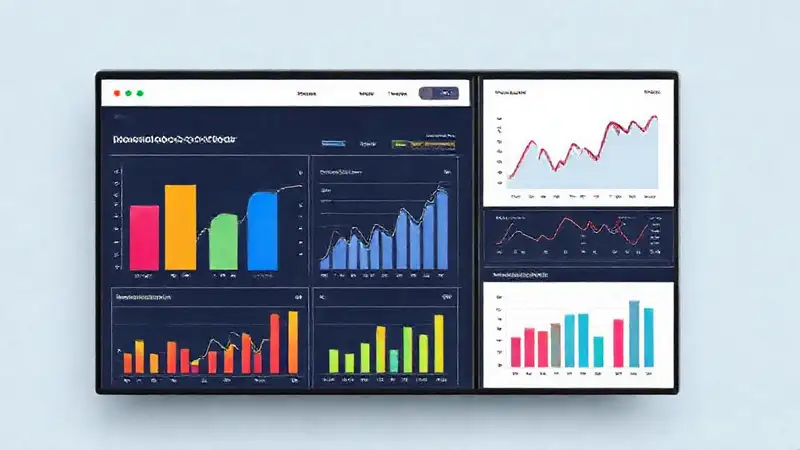
Once a user clicks on a link from a search engine or ad, they’re directed to a landing page. This page is your last chance to make a strong impression and convert them into a customer. A/B testing different landing page layouts – the placement of elements, the use of whitespace, and the overall design – can dramatically impact your conversion rate. Experiment with different hero images, testimonials, and benefit statements to see what resonates most with your audience.
Consider testing different navigation structures. Are users easily able to find the products they’re looking for? Do your calls to action stand out? Ensure your landing page is mobile-friendly, as a significant portion of e-commerce traffic comes from mobile devices. Google’s Mobile-Friendly Test can help you assess your website’s responsiveness. Implement a clear and concise value proposition, quickly communicating what makes your product or service unique.
Remember that a clean, clutter-free design is often more effective than a busy, overwhelming one. Experiment with different layouts to find the optimal balance between visual appeal and usability. Utilizing A/B testing ensures you’re continually refining your landing pages to maximize their effectiveness in driving conversions and improving your overall e-commerce success.
5. Analyzing Product Filter & Sorting Options
Product filters and sorting options are crucial for helping customers quickly find the products they’re looking for, particularly on sites with a large inventory. A/B testing different filter configurations – the order of filters, the inclusion of additional filters – can significantly impact the user experience and conversion rate. Are customers easily able to narrow down their search results? Are the filters relevant to their needs?
Consider testing different sorting options – price low to high, popularity, rating, new arrivals. Do customers prefer to sort by price or by rating? Experiment with different filter display styles – dropdown menus versus checkboxes. You can also test adding more granular filters – for example, filtering by color, size, or material. A well-designed and intuitive filtering system not only improves the user experience but also helps improve your website’s SEO by providing more relevant content for search queries.
Analyze user behavior to identify which filters are most frequently used and which are rarely used. This can inform your decision-making when optimizing your filter options. Utilize heatmaps and session recordings to understand how users are interacting with your filters and identify any areas of confusion. Ultimately, optimizing your filter and sorting options creates a more efficient and satisfying shopping experience, boosting engagement and driving sales.
Conclusion
A/B testing is no longer a “nice-to-have” – it’s a necessity for e-commerce businesses looking to thrive in today’s competitive landscape. By systematically testing different variations of your website’s elements, you can gain invaluable insights into user behavior and make data-driven decisions that drive SEO improvements, increase conversions, and ultimately, boost your bottom line. Don’t rely on guesswork or intuition; embrace the power of experimentation and continuously refine your website based on the results you observe. Investing in tools like Google Optimize or Optimizely can streamline the testing process and make it more accessible to businesses of all sizes. Remember, the best website is one that’s constantly evolving and adapting to meet the needs of its users – and A/B testing is the key to unlocking that potential. Start small, focus on key areas, and continually analyze your results – you’ll be amazed at the impact it can have on your online business!