YouTube has become a dominant force in the digital landscape, offering both creators and viewers a vast platform for content consumption and sharing. However, simply uploading a video isn’t enough to guarantee success. Understanding how to optimize your videos for search and maximizing their earning potential through advertising is crucial. A significant, and often overlooked, factor in this equation is video length. While there’s no magic number, the relationship between length, SEO performance, and ad revenue is complex and demands careful consideration. This article will delve into exactly how video length impacts these key aspects, providing actionable insights for YouTubers striving to grow their channels and generate income.
The Impact of Video Length on YouTube Search Ranking
Video length can directly influence how YouTube’s algorithm interprets your content and, consequently, its ranking in search results. Historically, shorter videos were often favored as they were considered less demanding to watch and provided immediate value. However, recent algorithm updates increasingly reward longer videos, particularly those that maintain audience engagement. YouTube wants to keep viewers on the platform for as long as possible, and longer videos naturally lend themselves to deeper engagement. This is because the algorithm analyzes ‘average view duration’ – the average time a viewer spends watching your video – as a key signal of quality and relevance. A longer video, if engaging, will likely have a higher average view duration, boosting your SEO ranking and making your video more discoverable to new viewers.
Furthermore, longer videos often provide more opportunities for the algorithm to identify relevant keywords. More content means a greater chance of featuring specific terms organically within the video’s description, tags, and even the spoken content itself. Think of it as a data-rich environment for the algorithm to analyze – it can more accurately connect your video to a wider range of user searches. Ignoring this trend and consistently uploading extremely short videos risks being buried beneath a sea of longer, more engaging content that’s attracting more attention. It’s not simply about making your video long; it’s about making it worth watching for the entire duration.
Engagement Metrics and Video Length
Beyond simply the length itself, the engagement demonstrated during that length is paramount. A 10-minute video with high viewer retention and numerous likes, comments, and shares will generally outperform a 30-minute video that sits untouched with minimal interaction. YouTube’s algorithm prioritizes videos that keep viewers hooked – metrics like ‘watch time,’ ‘audience retention’, and ‘click-through rate’ are all heavily weighted. Therefore, while longer videos offer more opportunity, they must justify that length by providing genuinely valuable content. Consider incorporating storytelling techniques, including cliffhangers, intriguing visuals, and interactive elements to actively encourage viewers to continue watching.
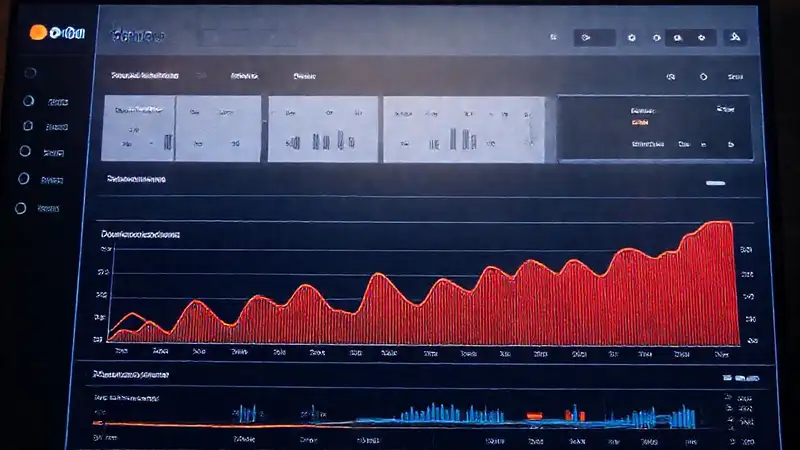
Audience retention is arguably the most important engagement metric in this context. YouTube analyzes where viewers are dropping off in your video – is it halfway through? After five minutes? Identifying these drop-off points can highlight areas where you can improve the pacing, clarity, or overall interest of your content. Tools like YouTube Analytics offer detailed audience retention graphs that can provide valuable insights into how to optimize your video structure to maintain viewer attention. Ultimately, a longer video that loses viewers quickly will suffer in both SEO and ad revenue, regardless of its initial length.
Video Length & Ad Revenue Potential

The relationship between video length and ad revenue isn’t a linear one. Generally, longer videos have the potential to earn more ad revenue due to the increased number of ad slots that can be inserted. YouTube’s advertising revenue is primarily based on CPM (cost per mille, or cost per thousand impressions), and more impressions equate to more potential revenue. However, this isn’t a guaranteed outcome – ad revenue is heavily influenced by factors like your niche, audience demographics, and viewer engagement. A 15-minute video with low engagement will likely earn less than a 5-minute video with a highly engaged audience.
It’s crucial to remember that YouTube’s ad policies dictate the maximum length of a video that can support a significant number of ad breaks. While longer videos can accommodate more ads, exceeding certain thresholds can negatively impact the viewer experience and potentially lead to lower watch time. Therefore, focusing on creating compelling content that encourages viewers to stay engaged throughout the video is more important than simply filling it with ads. Strategic ad placement – balancing ad breaks with valuable content – is key to maximizing revenue without sacrificing viewer enjoyment and ultimately harming your monetization prospects.
Finding the Optimal Video Length for Your Niche
There’s no universal answer to what constitutes the ‘optimal’ video length. The ideal length varies significantly depending on your niche, target audience, and the type of content you’re producing. For tutorials or “how-to” videos, shorter, focused videos (5-15 minutes) are often more effective, as viewers typically have a specific task in mind. For vlogs or longer-form content, 15-30 minutes or even longer might be suitable, provided you maintain a high level of engagement. Educational content, like documentaries or lectures, can comfortably extend beyond 30 minutes.
Experimentation is key! Analyze your own channel data to see which video lengths perform best with your specific audience. Pay close attention to average view duration, audience retention, and click-through rates for videos of different lengths. Don’t be afraid to deviate from established norms – YouTube is constantly evolving, and what worked yesterday may not work today. Consider A/B testing different video lengths to see which generates the most views, engagement, and ultimately, the highest YouTube revenue.
Conclusion
In conclusion, video length plays a significant role in both YouTube SEO and ad revenue generation. While the algorithm increasingly favors longer videos with high engagement, simply extending the duration isn’t enough. Content must be genuinely valuable and maintain viewer interest throughout to achieve optimal results. Focusing on audience retention, strategic keyword integration, and a tailored approach to video length based on your niche are all vital components of a successful YouTube strategy. By consistently analyzing your channel data and experimenting with different formats, you can unlock the full potential of your videos and maximize your earning potential on the platform. Ultimately, creating engaging, valuable content – regardless of length – remains the foundation of YouTube success.