
Social media advertising has become an indispensable tool for businesses of all sizes, but simply throwing money at a broad audience rarely yields the best results. A significant portion of ad spend is wasted on impressions that don’t resonate, leading to lower conversion rates and increased costs. The key to unlocking truly effective and efficient campaigns lies in a strategic approach – specifically, in understanding and targeting your audience through meticulous segmentation. This article, drawn from insights at seotoday.in, will explore how segmenting your audience dramatically improves ad performance, detailing the methods, benefits, and practical considerations involved. We’ll delve into the nuances of creating effective segments and how to leverage that knowledge to build stronger, more profitable campaigns.
Effective audience segmentation isn’t just about demographics; it’s about identifying distinct groups with shared behaviors, interests, and needs. By tailoring your messaging to these specific groups, you significantly increase the likelihood of engagement and conversion. Ignoring this critical step is like throwing darts blindfolded – you might hit something, but it’s far less likely to be a bullseye. Seotoday.in emphasizes the importance of shifting from a “spray and pray” approach to a targeted, data-driven strategy, and audience segmentation is the cornerstone of that approach. Let’s explore how to implement this technique effectively.
1. Defining Your Audience Segments
Defining your audience segments starts with a deep dive into your existing customer data. You need to move beyond basic demographics like age and location. Consider psychographics – attitudes, values, lifestyles, and interests – as these often provide a more powerful indicator of potential customer behavior. Utilize tools like Facebook Audience Insights, Google Analytics, and your CRM system to gather data on your current customer base. Don’t just look at who is buying from you; try to understand why they are buying. Segmenting based on purchase history, website behavior, and engagement with your brand will give you a much clearer picture of potential customer groups.
Furthermore, think about creating distinct segments based on their stage in the customer journey. A new visitor to your website will have different needs and motivations than a loyal customer who’s made multiple purchases. Categorizing your audience into segments like “Awareness,” “Consideration,” and “Decision” allows you to craft tailored messaging for each stage. For example, someone in the “Awareness” stage might benefit from a brand introduction video, while a “Decision” stage customer might respond better to a special offer or discount. Ignoring this sequential approach is a missed opportunity to guide potential customers through the sales funnel.
Finally, don’t be afraid to create micro-segments. Instead of a broad “women aged 25-35” segment, consider a more specific group like “eco-conscious millennial women interested in sustainable fashion.” The more granular your segmentation, the more relevant your ads will be, and the higher your click-through rates will be. Remember, relevance is key to capturing attention in a crowded social media landscape.
2. Leveraging Platform-Specific Targeting
Each social media platform offers unique targeting capabilities. Facebook, for instance, excels at detailed demographic and interest-based targeting, while LinkedIn is best suited for reaching professionals. Understanding these platform-specific nuances is crucial for optimizing your campaign performance. Don’t simply replicate the same ad across multiple platforms without adapting it to the platform’s specific audience. For example, a visually stunning ad might perform exceptionally well on Instagram, while a more informative ad with industry-specific content would be better suited for LinkedIn.
Utilizing custom audiences – based on website visitors, email lists, or app users – is a powerful way to retarget individuals who have already shown interest in your brand. These individuals are inherently more likely to convert than a completely cold audience. Facebook Pixel and similar tracking tools are essential for building and managing custom audiences. Consider also using lookalike audiences – creating a new audience that shares similar characteristics to your existing customers. This allows you to expand your reach to new, potentially high-value prospects.
Don’t underestimate the power of behavioral targeting. Platforms collect vast amounts of data on user behavior, including their browsing history, app usage, and engagement with specific content. Leveraging this data to target users based on their actions, such as visiting a product page or downloading an app, can significantly improve your ad relevance and conversion rates. Testing different targeting options within each platform is paramount to finding the most effective combinations.
3. Crafting Targeted Messaging
Once you’ve identified your audience segments, the next step is to craft messaging that resonates with each group. Generic, one-size-fits-all ads rarely perform well. Instead, tailor your messaging to address the specific needs, pain points, and interests of each segment. This requires understanding what motivates them and crafting compelling copy that speaks directly to their desires. A/B testing different ad variations is crucial to determine what resonates most effectively.
For instance, an ad targeting young adults interested in gaming might use playful language and visuals, while an ad targeting business professionals might use a more formal and professional tone. Consider using different calls to action for each segment – “Shop Now” might be effective for a younger audience, while “Learn More” might be better for a more skeptical audience. Don’t be afraid to experiment with different formats, such as video, images, and carousel ads, to see what performs best. Brand voice consistency is important but can be adapted to fit the specific audience.
Finally, personalize your messaging wherever possible. Using dynamic product ads, which automatically display relevant products based on a user’s browsing history, can be a highly effective way to personalize the advertising experience. Even simple personalization, such as addressing users by name in your ad copy, can significantly improve engagement.
4. Monitoring and Optimization
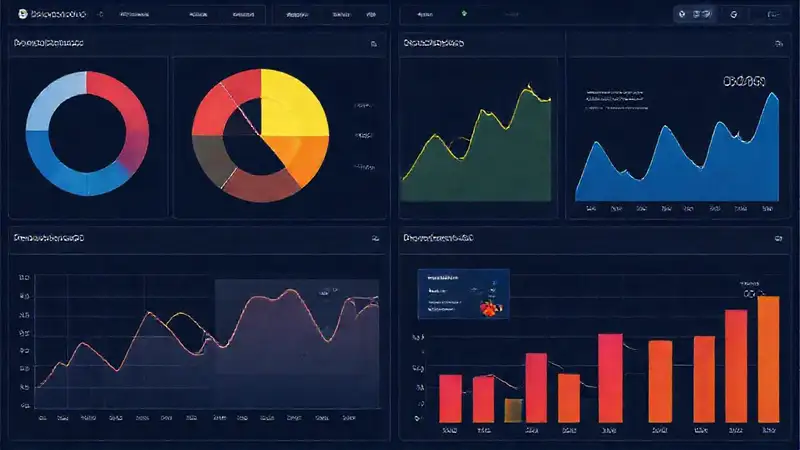
Audience segmentation isn’t a “set it and forget it” strategy. It requires ongoing monitoring and optimization. Regularly review your campaign performance metrics – impressions, clicks, conversions, and cost per acquisition – to identify what’s working and what’s not. Use platform analytics to track the performance of each segment and make adjustments accordingly.
Be prepared to refine your segments as your audience evolves. Customer interests and behaviors change over time, so it’s important to periodically review your segmentation strategy and update your targeting parameters. Don’t be afraid to pause or remove underperforming segments. A/B testing different targeting options within each segment is crucial for continuous improvement. Seotoday.in consistently highlights the need for a data-driven approach to social media advertising, emphasizing the iterative nature of optimization.
Utilize retargeting campaigns to re-engage users who have previously interacted with your brand but haven’t yet converted. Retargeting can be a highly effective way to remind users of your product or service and encourage them to take action. Continuously analyze the data to identify patterns and trends that can inform your future campaigns.
5. Utilizing Customer Journey Mapping
Customer journey mapping is an invaluable tool for informing your audience segmentation strategy. It involves visualizing the steps a customer takes from initial awareness to final purchase, identifying key touchpoints and potential pain points along the way. Mapping the customer journey will help you identify opportunities to target different segments at different stages of the process.
For example, you might create a segment for “awareness seekers” who are just beginning to research your industry, a segment for “consideration shoppers” who are comparing different products, and a segment for “decision-makers” who are ready to make a purchase. Each segment requires a different messaging and offering. Tools like customer feedback surveys and social listening can provide valuable insights for mapping the customer journey. Understanding how customers think at each stage is crucial for crafting effective targeting.
Furthermore, customer journey mapping helps you identify areas where you can improve the overall customer experience. By addressing pain points and streamlining the customer journey, you can increase the likelihood of converting prospects into paying customers. Seotoday.in stresses the importance of aligning marketing efforts with the entire customer journey, and customer journey mapping is a central component of this strategy.
Conclusion
In conclusion, strategic audience segmentation is paramount to achieving exceptional performance with social media advertising. Moving beyond broad, generalized targeting and embracing granular, data-driven approaches yields significant results, boosting engagement, driving conversions, and ultimately, maximizing your return on investment. As emphasized by seotoday.in, a successful campaign is not about shouting to the masses, but about whispering persuasively to the right people. By investing the time and effort to properly segment your audience, you’re investing in the future of your social media marketing efforts. Don’t overlook the power of understanding who you’re talking to, and tailoring your message to resonate with their specific needs and desires.
Ultimately, consistent monitoring, optimization, and a willingness to adapt your strategy based on data insights are crucial for long-term success. Regularly reviewing your campaign performance, testing new targeting options, and refining your segmentation strategy will ensure that your ads remain relevant and effective over time. Remember to leverage platform-specific features, personalize your messaging, and continually strive to improve the customer experience – these are the cornerstones of a truly successful social media advertising strategy. Seotoday.in’s guidance on embracing a data-driven approach remains a vital resource for any business looking to leverage the full potential of social media advertising.