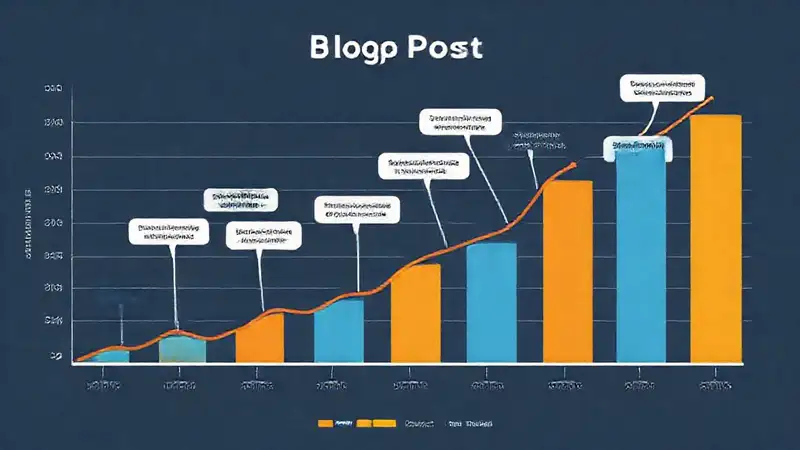
The age-old question of “how much is too much” when it comes to blog posts continues to baffle bloggers and digital marketers alike. We’ve all heard that longer content is better for SEO, but is there a magic number? Simply writing a novel-length piece isn’t guaranteed to boost your rankings. Understanding the nuanced relationship between content length and SEO performance is crucial for maximizing your blog’s visibility and attracting a loyal audience. This article will delve into the data, explore the psychology behind reader engagement, and provide actionable strategies to determine the optimal length for your specific blog and target audience. Let’s unpack how content length genuinely impacts your search engine ranking potential.
The Google Algorithm and Content Depth
Google’s primary goal is to provide users with the most relevant and satisfying answer to their search query. Traditionally, the algorithm prioritized keyword density and backlinks, but it’s become far more sophisticated. Now, it analyzes the depth of content, the level of detail provided, and how comprehensively a topic is covered. Google aims to understand if you’ve truly gone beyond a superficial overview and created something genuinely valuable. This is where content length comes into play – longer, well-researched posts often demonstrate this comprehensive understanding. It’s not just about hitting a word count; it’s about delivering a valuable experience.
However, simply adding fluff words and generic statements won’t cut it. Google’s RankBrain component, a significant part of its algorithm, now uses machine learning to assess content quality. It analyzes readability, user engagement metrics (like time on page and bounce rate), and the overall usefulness of the information presented. A massive, rambling article filled with poorly structured paragraphs and repetitive information will likely be penalized, regardless of its word count. Therefore, length needs to be coupled with substance, well-supported arguments, and clear, concise writing to be truly effective for SEO.
The Psychology of Reader Engagement and Scroll Depth
Beyond the technical aspects of the algorithm, understanding how readers behave is paramount. Studies consistently show that longer content keeps readers on a page longer and encourages them to scroll further. Increased scroll depth is a strong indicator to Google that your content is engaging and providing value, ultimately boosting its ranking potential. Users are more likely to find related information, explore internal links, and spend more time on a site that offers a complete and satisfying experience. This translates to a lower bounce rate – a critical metric for SEO.
Furthermore, longer content provides more opportunities to naturally incorporate relevant keywords, improving your keyword ranking chances. You can delve deeper into subtopics, address frequently asked questions, and offer actionable advice, building a comprehensive resource that users will return to. Think about the types of content you enjoy reading yourself – are they short, punchy snippets, or detailed guides that thoroughly explore a subject? Mimicking reader preferences can significantly improve engagement.
Finding the Sweet Spot: Length Recommendations by Topic
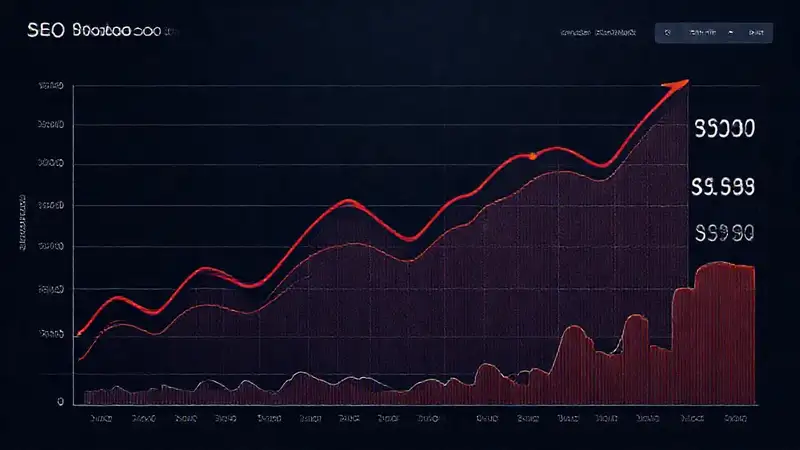
There’s no one-size-fits-all answer to the ideal blog post length. The optimal length varies significantly depending on the topic, the target audience, and the level of competition. For highly competitive topics with complex subjects, aiming for 2000-3000 words or even longer isn’t uncommon. These detailed guides tend to perform exceptionally well, establishing authority and providing immense value to readers. Conversely, for simpler topics or “listicle” posts, 800-1500 words might suffice and could be perfectly optimized.
Consider the type of information you’re providing. If you’re offering a tutorial or step-by-step guide, a more substantial length is usually beneficial. If you’re sharing news or commentary, shorter, more concise pieces might be more appropriate. Researching your competitors and analyzing their content lengths can give you a valuable benchmark, but always prioritize quality over simply copying their approach. Don’t be afraid to experiment and track your performance metrics (like organic traffic and time on page) to determine what works best for your blog.
Content Length and User Intent: Satisfying the Search Query
Google’s algorithm now heavily emphasizes user intent. It’s not enough to simply answer a question; you need to thoroughly address the user’s underlying needs and goals. Longer content allows you to delve deeper into the nuances of a topic and provide a more holistic solution. For example, if someone searches for “how to bake a cake,” a simple recipe isn’t enough. They’ll likely want detailed instructions, troubleshooting tips, and variations. A longer guide that covers everything from ingredient selection to decorating techniques is far more likely to satisfy their intent.
Ultimately, a well-crafted, in-depth blog post demonstrates a commitment to providing a complete and satisfying response to the user’s search query. This commitment signals to Google that your content is valuable and deserves a higher ranking. Remember, focusing on quality and thoroughness, regardless of the specific word count, is the key to achieving long-term SEO success and attracting a dedicated readership.
Conclusion
In conclusion, the impact of content length on SEO isn’t a simple linear relationship. While longer content can offer advantages in terms of keyword density, user engagement, and demonstrating comprehensive understanding, it’s not a guaranteed formula for success. Google’s algorithm prioritizes quality and user intent. Focusing on crafting detailed, insightful, and well-researched content that genuinely addresses the user’s needs, regardless of the exact word count, is the most effective strategy for boosting your blog’s search engine visibility. Continuously analyzing your blog’s performance metrics and experimenting with different content lengths will help you find the sweet spot that maximizes engagement and ultimately drives more organic traffic to your website.