
In the competitive landscape of online blogging, attracting and retaining readers is paramount. Multi-author blogs, while offering diverse perspectives and fresh content, can sometimes feel disjointed and lack a strong sense of brand identity. A crucial yet often overlooked element in improving the SEO performance of these blogs is the strategic optimization of author bios. These brief introductions aren’t just placeholders; they represent a fantastic opportunity to establish authority, build trust, and, crucially, inject relevant keywords that can significantly boost your blog’s overall search engine ranking. Neglecting this area is a missed chance to connect with potential readers and drive more traffic. Let’s explore how to transform author bios from simple statements into powerful SEO tools.
Many multi-author blogs prioritize content quantity over quality when it comes to author bios, resulting in bland, repetitive descriptions. This lack of strategic approach dilutes the potential impact of these sections. By implementing a focused SEO strategy, you can effectively leverage author bios to enhance your blog’s visibility in search results and ultimately grow your audience. This article will delve into specific techniques for crafting compelling and SEO-friendly author bios, ensuring they contribute positively to your blog’s success.
1. Keyword Research & Integration
Before you even start writing, it’s essential to conduct thorough keyword research. Don’t simply assume you know what readers are searching for. Use tools like Google Keyword Planner, Ahrefs, or SEMrush to identify relevant terms within your niche that people are actually using. Consider the primary topics your blog covers and the expertise each author brings to the table. Then, naturally weave these keywords into the author’s bio, avoiding keyword stuffing – which can actually harm your ranking. Think about long-tail keywords – phrases that are more specific and targeted, like “digital marketing consultant for small businesses” instead of just “marketing.”
Integrating keywords strategically goes beyond just dropping them in randomly. It requires a holistic approach, considering the overall context of the bio. For example, if an author specializes in sustainable fashion, you might include terms like “eco-friendly clothing,” “ethical fashion brands,” and “sustainable style.” Don’t be afraid to incorporate related terms and synonyms; this helps Google understand the bio’s relevance to a wider range of searches. Furthermore, tailoring the keywords to each author’s specific area of expertise will make the bio more valuable and improve its resonance with potential readers seeking that particular knowledge.
Finally, remember that a poorly executed keyword integration can make the bio appear forced and unnatural. Strive for a seamless blend of relevant terms that feels organic and adds genuine value to the reader’s understanding of the author. Prioritize readability and a natural tone – the goal is to inform, not to spam. A strong author bio should feel like a genuine introduction, not a blatant advertisement.
2. Including Relevant Expertise & Credentials
An author’s credentials and areas of expertise are critical to establishing trust and authority – key factors Google considers when ranking websites. Don’t just state their job title; delve deeper into what they do and why they’re qualified. Instead of saying “John Smith is a marketing specialist,” try “John Smith is a results-driven marketing specialist with 10+ years of experience helping SaaS companies increase their lead generation.” Quantifiable achievements and specific examples demonstrate their value.
Adding details about relevant certifications, training, or awards further strengthens the author’s profile. Including links to their LinkedIn profile, website, or professional portfolio provides readers with a convenient way to learn more. Consider adding a brief mention of any speaking engagements or published work they’ve undertaken – this adds credibility and demonstrates their engagement within the industry. However, keep it concise; bios should be informative, not lengthy academic papers.
Moreover, highlighting the specific industries or niches an author specializes in helps target relevant audiences. If an author focuses on financial planning for millennials, clearly stating this will attract readers seeking advice tailored to that demographic. By showcasing this focused expertise, you’re not only improving your SEO but also ensuring your blog attracts the right type of reader – those genuinely interested in the author’s knowledge.
3. Adding a Call to Action
Don’t let your author bios end abruptly. Include a subtle call to action (CTA) to encourage readers to engage further. This could be as simple as inviting them to visit the author’s website, subscribe to their newsletter, or connect with them on social media. Make the CTA feel natural and integrated with the rest of the bio – avoid overly aggressive or salesy language.
A well-placed CTA can significantly increase your blog’s conversion rates, driving more traffic to the author’s personal channels. For example, “Connect with John Smith on LinkedIn to discuss your marketing strategy” or “Subscribe to John Smith’s newsletter for weekly marketing tips” are effective options. Experiment with different CTAs to see which ones resonate best with your audience and optimize your bio accordingly.
Remember, the CTA should align with the author’s overall goals. If the author is primarily focused on building their personal brand, encouraging social media engagement is a good strategy. If they’re selling a product or service, directing readers to their website for more information may be more appropriate. Ultimately, the CTA should be a helpful and relevant invitation to connect and learn more.
4. Formatting for Readability
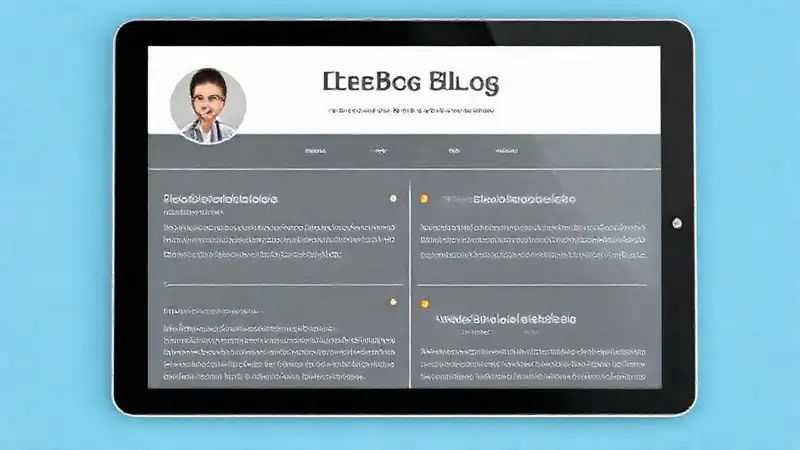
A visually appealing and easily readable author bio is crucial for keeping visitors engaged. Use clear formatting techniques like bullet points, short paragraphs, and bolding to highlight key information. Avoid dense blocks of text, which can be overwhelming for readers. Break up the text with line breaks and whitespace to improve readability.
Employing a professional font and consistent style throughout your blog contributes to a polished and credible appearance. Consider incorporating a headshot to personalize the author’s profile and create a stronger connection with the reader. However, ensure the headshot is high-quality and appropriately sized – poor-quality images can detract from the overall impression.
Ultimately, the goal is to create a bio that is both informative and visually pleasing. Prioritize clarity and conciseness, ensuring readers can quickly grasp the author’s expertise and motivations. A well-formatted author bio demonstrates attention to detail and enhances the overall user experience of your blog.
5. Using Meta Descriptions & Alt Text
While author bios themselves aren’t directly indexed by search engines, leveraging them for meta descriptions and alt text can indirectly boost your SEO efforts. The author bio section often displays a snippet of text in search results – this is the meta description. Craft a compelling and concise meta description that accurately reflects the author’s expertise and entices users to click through to your blog.
Furthermore, incorporating relevant keywords within the alt text for any images featured in the author bio can improve their visibility in image search results. For example, if the author is showcasing their portfolio, you might use alt text like “John Smith’s portfolio of marketing campaign designs.” This provides context for image search engines and helps them understand the image’s content.
Remember, these techniques aren’t about explicitly manipulating search engine results; they’re about providing Google with the information it needs to accurately understand the content of your blog and its relevance to user queries.
Conclusion
Optimizing author bios for SEO in multi-author blogs is a surprisingly effective strategy for boosting your blog’s overall visibility and attracting a targeted audience. By strategically incorporating keywords, highlighting expertise, and adding a clear call to action, you can transform these simple introductions into powerful marketing assets. It’s crucial to remember that a truly successful approach is one that prioritizes both SEO and user experience – creating bios that are informative, engaging, and genuinely reflective of each author’s unique value.
Don’t underestimate the potential of these seemingly small sections. Implementing these techniques consistently will contribute significantly to your blog’s long-term SEO success, driving more organic traffic and establishing your blog as a credible resource within your niche. By viewing author bios as an integral part of your overall SEO strategy – not just a decorative element – you’ll be well on your way to unlocking their full potential and connecting with a wider audience seeking valuable insights and perspectives.