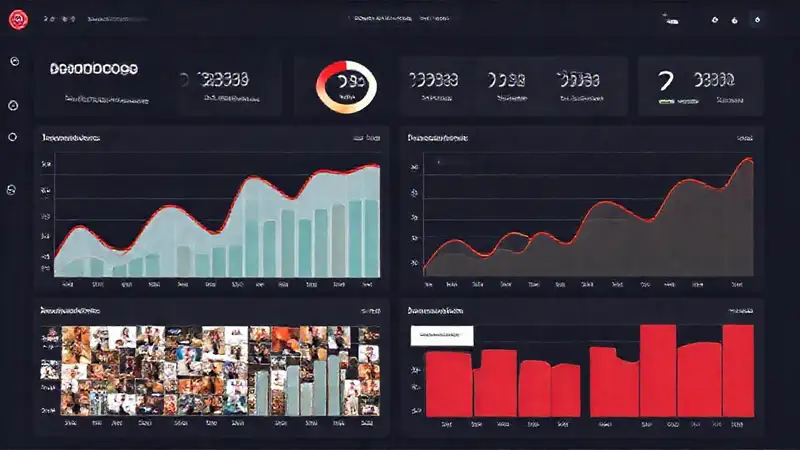
Pinterest has evolved far beyond just a visual discovery engine; it’s become a powerful marketing platform capable of driving significant business growth. However, simply posting beautiful pins and hoping for the best isn’t enough. To truly understand the value of your Pinterest efforts, you need to track your Return on Investment (ROI). Without proper tracking, it’s impossible to know which campaigns are working, which are wasting resources, and where to focus your efforts for optimal results. This guide will walk you through the steps to effectively monitor your Pinterest ROI and maximize your investment. We’ll cover everything from setting up conversion tracking to analyzing key metrics, ensuring you’re getting the most out of your time and budget on this visual social network.
Setting Up Pinterest Analytics
The foundation of any successful ROI tracking strategy is access to reliable data. Pinterest provides its own robust analytics dashboard, but it’s crucial to understand how to utilize it effectively. Start by navigating to your Pinterest Business account and clicking on ‘Analytics’ in the left-hand menu. Within the analytics dashboard, you’ll find a wealth of information, but initially, focus on setting up conversion tracking. This allows you to see which pins are directly leading to purchases or other desired actions on your website. Ensure you have the Pinterest Pixel installed on your website; this tiny code snippet allows Pinterest to track user behavior and attribute conversions back to your Pinterest campaigns. Regularly reviewing your analytics settings ensures data accuracy and provides a more informed picture of your performance.
Understanding Key Pinterest Metrics
Once you’ve implemented conversion tracking, it’s time to delve into the specific metrics that matter most to your business goals. Beyond just ‘impressions’ and ‘saves,’ focus on metrics like Pin Clicks, Link Clicks, and Website Traffic. Pin Clicks measure how often users click directly on your pins, indicating interest in your content. Link Clicks are even more valuable, as they directly drive users to your website. Website Traffic, as tracked through Google Analytics, shows you the total number of visitors coming to your site from Pinterest. Don’t forget to consider engagement metrics like saves, closeups, and replays – these represent sustained interest and are strong indicators of brand awareness.
Analyzing Campaign Performance
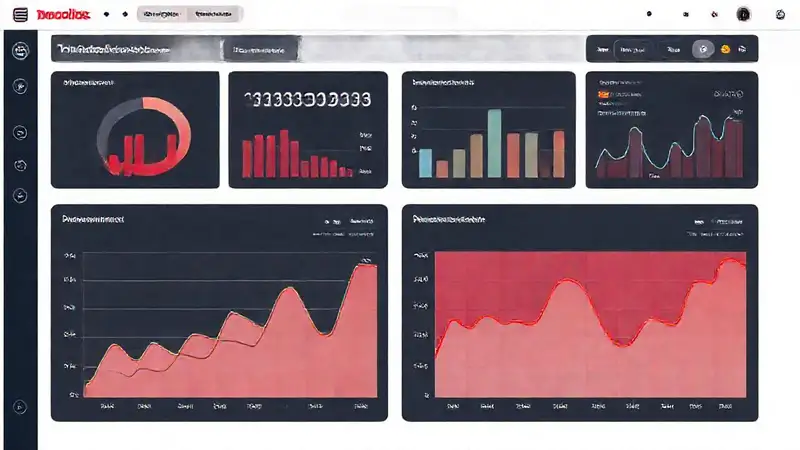
Now that you’re collecting data, it’s time to analyze your Pinterest campaigns. Break down your performance by different campaign types, such as Promoted Pins, Idea Pins, and standard pins. Compare the cost per click (CPC) and cost per conversion (CPC) for each campaign. Identify which pins and boards are consistently performing well and try to understand why – is it the visuals, the copy, or the targeting? Use A/B testing to experiment with different pin formats and headlines to see what resonates best with your audience. Regularly review your analytics – at least weekly – to identify trends and adjust your strategy accordingly.
Calculating Pinterest ROI – The Formula
Calculating Pinterest ROI isn’t as straightforward as some other digital channels. However, it’s entirely possible to get a solid estimate. A simple formula to use is: (Revenue Generated from Pinterest – Pinterest Campaign Cost) / Pinterest Campaign Cost. Remember to accurately track all revenue generated specifically from Pinterest traffic – this might involve using UTM parameters in your pin links to track sales originating from Pinterest in Google Analytics. Don’t forget to factor in the cost of your Pinterest ads, content creation (if you’re using a designer), and any associated tools like scheduling software. While this is an estimate, it provides a valuable benchmark for your investment and helps you determine whether Pinterest is a worthwhile platform for your business.
Conclusion
Tracking Pinterest ROI is a critical component of any successful social media marketing strategy. By diligently setting up analytics, focusing on key metrics, and consistently analyzing campaign performance, you can unlock the true potential of Pinterest for driving business growth. Don’t be discouraged if the initial ROI isn’t immediately spectacular – Pinterest is a long-term play, and building a strong presence and engaging audience takes time. Continuous optimization, based on data-driven insights, will ultimately lead to a substantial return on your Pinterest investment and contribute significantly to your overall marketing goals. Remember to regularly revisit and refine your strategy, staying abreast of Pinterest’s algorithm changes and evolving trends to maintain a competitive edge.