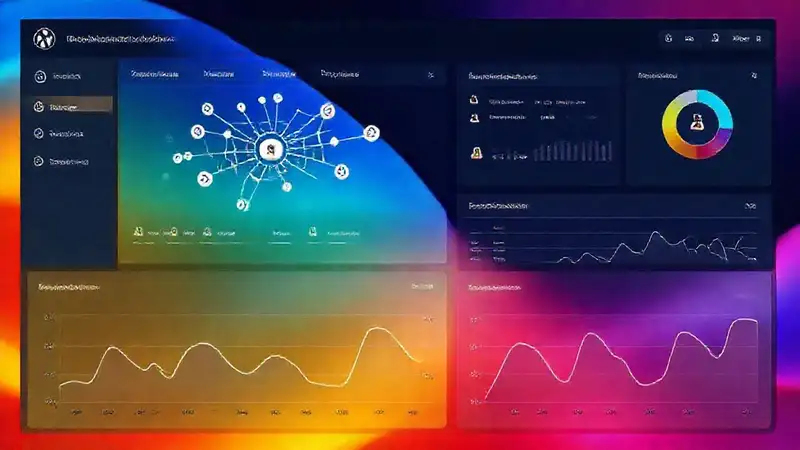
The modern WordPress landscape is incredibly diverse, boasting everything from simple blogs to complex e-commerce platforms. This variety translates to vastly different user behaviors and needs. Traditional methods of segmentation, relying on manual demographic data or basic traffic analysis, often fall short in capturing the nuance of a WordPress user base. Consequently, marketers and developers are increasingly turning to Artificial Intelligence (AI) to gain a deeper understanding of their audience, personalize experiences, and ultimately, drive better results. This article will delve into the most effective AI models for segmenting WordPress users based on their engagement levels, exploring their strengths and weaknesses to help you implement a truly targeted strategy. We’ll move beyond simple metrics and leverage AI’s predictive capabilities to identify distinct user groups, allowing for more efficient content delivery and targeted advertising.
This shift towards AI-powered segmentation isn’t just about collecting data; it’s about acting upon it. By understanding why users behave in certain ways, we can tailor our approach to provide them with exactly what they need, when they need it. Imagine being able to proactively offer advanced plugin recommendations to power users or provide simplified tutorials to newcomers – AI can make this level of personalization a reality. The goal is to transform passive website visitors into loyal, engaged customers. Let’s explore the specific AI models and techniques that can achieve this transformation within the WordPress ecosystem.
1. Clustering Algorithms (K-Means & Hierarchical)
Clustering algorithms, particularly K-Means and Hierarchical clustering, are foundational for initial segmentation. These techniques automatically group users based on similarity across a wide range of features – not just basic metrics like page views or session duration. They can analyze user activity data like plugin usage, content consumption patterns, comment frequency, and even the pages they spend the most time on. K-Means is known for its speed and efficiency, making it ideal for large datasets. It requires you to specify the number of clusters beforehand, so careful consideration of your goals is crucial. Conversely, Hierarchical clustering builds a hierarchy of clusters, allowing you to explore different levels of granularity and determine the optimal number of segments without prior assumptions.
The power of these algorithms lies in their ability to uncover hidden relationships within user data that humans might miss. For instance, K-Means could identify a cluster of users who frequently download and use premium plugins, while another might consist of those primarily browsing free themes. The beauty is that these algorithms are readily available in popular data science tools like Python’s scikit-learn library, making them accessible to both developers and marketers. Furthermore, the output isn’t just numbers; it provides insights into the characteristics of each cluster – allowing you to develop targeted messaging and offers.
However, it’s important to remember that clustering algorithms are sensitive to the choice of features and the distance metric used to measure similarity. Careful feature engineering – selecting the right variables to include in the analysis – is crucial for generating meaningful segments. Also, interpreting the resulting clusters requires careful domain knowledge; a cluster identified as “high-engagement” might still warrant further investigation to understand why they’re engaging.
2. Recurrent Neural Networks (RNNs) for Behavioral Sequences
While clustering provides a snapshot of user behavior, Recurrent Neural Networks (RNNs) offer a more dynamic view, analyzing the sequence of actions a user takes. WordPress user engagement isn’t just about individual actions; it’s about the journey a user takes through your website. RNNs, particularly Long Short-Term Memory (LSTM) networks, are excellent at processing sequential data, such as the order in which a user visits pages, the plugins they install, and the forms they complete.
By training an RNN on historical user data, the model can learn to predict future user behavior – essentially anticipating what a user might do next. This predictive capability allows for proactive interventions, such as displaying relevant content recommendations or offering assistance before a user gets stuck. For example, if a user consistently abandons a checkout process, an RNN could identify this pattern and trigger a targeted email offering a discount or addressing common issues. This level of personalization significantly increases the likelihood of converting visitors into customers.
Implementing RNNs requires more technical expertise than clustering, typically involving deep learning frameworks like TensorFlow or PyTorch. However, the potential return on investment – through increased engagement and conversion rates – makes it a worthwhile consideration for organizations with the resources to invest in data science capabilities. Furthermore, RNNs can adapt to changing user behaviors over time, continuously refining their predictions and improving the effectiveness of personalized experiences.
3. Natural Language Processing (NLP) for Content Interaction
Beyond tracking clicks and page views, NLP techniques can analyze the content users interact with – comments, forum posts, and form submissions – to reveal deeper insights into their interests and needs. Natural Language Processing (NLP) algorithms, like sentiment analysis and topic modeling, can extract valuable information from unstructured text data. Sentiment analysis can gauge the overall tone of a user’s comments (positive, negative, neutral), while topic modeling can identify the key themes discussed within a user’s interactions.
For instance, analyzing user comments on a WordPress forum could reveal that a significant portion of users are struggling with a particular feature of a plugin. This insight could then be used to create targeted tutorials, documentation, or even a support ticket system specifically addressing that issue. Similarly, analyzing the content of form submissions – such as feedback requests or support inquiries – can provide valuable insights into customer pain points and areas for improvement. The accuracy of NLP models depends on the quality and quantity of text data, so a robust data collection strategy is essential.
Combining NLP with other AI techniques, like clustering, can create a truly holistic understanding of user engagement. For example, you could cluster users based on their engagement level and then use NLP to analyze the content they’re interacting with within each cluster, revealing specific needs and preferences. This layered approach ensures that segmentation is not just based on broad demographics, but also on granular behavioral and content preferences.
4. Reinforcement Learning for Dynamic Personalization
Reinforcement learning (RL) offers a powerful way to dynamically personalize the user experience in real-time. Unlike traditional recommendation systems that rely on historical data, RL agents learn through trial and error, constantly adjusting their recommendations based on user feedback. In the context of WordPress, an RL agent could be trained to optimize content recommendations, plugin suggestions, or even website layout based on a user’s ongoing behavior.
The agent receives rewards for positive interactions – such as a user clicking on a recommendation or completing a desired action – and penalties for negative interactions – such as a user ignoring a recommendation or abandoning a process. Over time, the agent learns to predict which actions are most likely to lead to desired outcomes for each individual user. This creates a highly adaptive and personalized experience, constantly evolving to meet the changing needs of each user.
Implementing RL requires careful consideration of the reward function – defining what constitutes a successful interaction. It also demands a sophisticated understanding of the WordPress environment and the potential impact of different personalization strategies. However, the potential benefits – through increased engagement, conversion rates, and overall user satisfaction – make RL a compelling option for organizations seeking to take personalization to the next level.
5. Predictive Modeling with Gradient Boosting Machines
Gradient Boosting Machines (GBM), such as XGBoost and LightGBM, are highly effective for predictive modeling and are excellent for identifying users at high risk of churn or those likely to become power users. These algorithms combine multiple weak learners to create a strong predictive model, achieving high accuracy with relatively little tuning. By incorporating a wide range of features – including engagement metrics, plugin usage, website activity, and demographic data – GBMs can predict which users are most likely to disengage or to upgrade to premium features.
Predicting churn early allows marketers to proactively intervene with targeted offers or support resources. For example, a user who has significantly reduced their website activity might receive a personalized email offering assistance or highlighting new features. Similarly, identifying users likely to upgrade to premium plugins allows for targeted advertising campaigns showcasing the benefits of those plugins. The flexibility of GBMs allows you to build models to predict a variety of outcomes, making them a versatile tool for optimizing user engagement across the entire WordPress ecosystem.
Furthermore, GBMs are relatively robust to noisy data and can handle missing values, making them suitable for real-world datasets that often contain imperfections. They also provide detailed feature importance scores, allowing you to understand which factors are most driving user engagement and prioritize your efforts accordingly. By leveraging the predictive power of GBMs, you can transform your WordPress website into a dynamic engine for growth and customer loyalty.
Conclusion
AI-powered customer segmentation is no longer a futuristic concept; it’s a vital strategy for WordPress website owners and developers seeking to maximize engagement and drive business growth. From the foundational capabilities of clustering algorithms to the dynamic personalization offered by reinforcement learning and the insightful analysis of NLP and predictive modeling, a range of AI tools are available to help you understand your audience at a deeper level. Each technique offers unique strengths and requires different levels of technical expertise.
Ultimately, the key to success lies in combining the right AI models with a robust data collection strategy and a deep understanding of your target audience. Don’t simply treat AI as a black box; actively explore the data, interpret the insights, and adapt your strategies accordingly. By embracing the power of AI, you can transform your WordPress website from a static platform into a dynamic, personalized experience that fosters loyalty and drives lasting results. Remember to continually evaluate and refine your segmentation approach as your audience and the WordPress ecosystem evolve, ensuring your strategy remains relevant and effective.