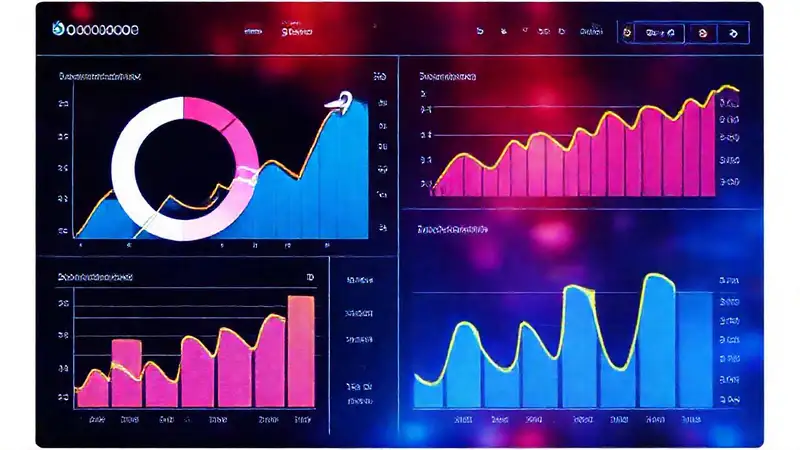
The traditional view of SEO often focuses on rankings and traffic. However, in today’s digital landscape, simply attracting visitors isn’t enough. To truly succeed with SEO monetization, you need to understand how effectively your efforts translate into revenue. This means shifting your focus to not just who is visiting your website, but what they’re doing once they get there. Effective SEO analytics and reporting are critical for measuring this success and making data-driven decisions. Without a clear understanding of how visitors convert – whether that’s through purchases, sign-ups, or lead generation – you’re essentially flying blind, wasting valuable resources and missing out on significant potential. De SEO Today is dedicated to providing the tools and insights you need to maximize your ROI through a robust approach to SEO performance.
Key Conversion Metrics Beyond Pageviews
Pageviews are a vanity metric; they don’t tell you if someone is actually interested in your offering. Focusing solely on them can lead to misguided strategies. Instead, concentrate on metrics that demonstrate engagement and intent. One of the most important is the bounce rate, which reveals the percentage of visitors who leave your site after viewing only one page. A high bounce rate often signals a disconnect between your landing page and the user’s expectations, suggesting your content isn’t relevant, the page is slow, or the design isn’t engaging. Monitoring this can highlight areas for immediate improvement – perhaps the call to action is unclear, or the content is difficult to read. Furthermore, delve into exit pages – identifying where users are leaving your website most frequently provides invaluable clues about potential friction points in the user journey. Analyzing these pages can reveal weaknesses in your website structure or content that needs refinement.
Tracking Goal Completions: Transactions & Submissions
While bounce rate offers insight into overall engagement, true conversion data requires tracking specific goals. This means setting up Google Analytics (or similar tools) to monitor key actions you want users to take. Examples include completed purchases, form submissions (lead generation), newsletter sign-ups, or even downloading resources. Defining these goals provides a targeted view of your SEO efforts, showing which pages and keywords are most effective at driving these desired behaviors. For e-commerce, tracking abandoned cart rates alongside conversion rates is crucial – understanding why users are leaving their carts before completing a purchase can reveal issues with payment processes, shipping costs, or product descriptions. Regularly reviewing these goal completion metrics allows you to quickly identify and address bottlenecks.
Examining Session Duration & Pages Per Session

Session duration offers a broader view of user engagement than bounce rate alone. A longer session duration generally indicates users are finding your content valuable and spending more time on your site, which correlates positively with higher chances of conversion. However, length isn’t everything. It’s equally important to track pages per session, the average number of pages a visitor views during a single visit. A healthy session usually involves multiple page views – suggesting the user is navigating your site effectively and exploring different aspects of your offerings. Low page per session numbers could suggest users aren’t finding relevant content or are having trouble navigating your website. Optimizing internal linking and site architecture can significantly improve this metric.
Leveraging UTM Parameters for Detailed Campaign Tracking
Properly tracking your SEO campaigns requires detailed attribution. This is where UTM parameters (Urchin Tracking Module) come in. These tags are added to the end of your URLs to specify the source, medium, campaign, and content of your traffic. Without UTMs, it’s incredibly difficult to determine which SEO initiatives are actually driving conversions. For example, you can track which keywords from a specific blog post are leading to a purchase, or which social media campaign is generating the most leads. Consistent use of UTM parameters across all your SEO efforts allows for a comprehensive understanding of your ROI, allowing you to allocate your budget to the most effective channels.
Conclusion
Ultimately, successful SEO monetization hinges on understanding how your website visitors interact with your content and ultimately, convert. Moving beyond basic metrics like pageviews and embracing the nuanced insights offered by conversion metrics—like bounce rate, goal completions, session duration, and pages per session—will dramatically improve your SEO strategy. De SEO Today provides a framework and resources to help you effectively implement these analytics and reporting techniques. By continually monitoring and analyzing these metrics, you can refine your SEO approach, optimize your website, and dramatically increase your chances of achieving your desired monetization goals. Don’t just drive traffic; drive revenue through data-driven SEO.