Choosing the right WordPress theme is a crucial first step in building a successful website. It’s not just about aesthetics; it directly impacts your site’s search engine ranking, user experience, and overall performance. Many themes prioritize visual appeal over functionality, leading to poor loading speeds and difficulties for search engine crawlers to understand your content. Fortunately, a growing number of themes are specifically designed with SEO in mind, incorporating best practices and features that boost your site’s visibility. Selecting an SEO-friendly theme can save you significant time and effort down the line, ensuring your hard work in content creation is actually rewarded by organic traffic. This article will explore some of the best SEO-friendly WordPress theme templates available today, focusing on features and why they’re ideal for maximizing your website’s potential.
Clean Code and Fast Loading Speeds
The foundation of any good SEO-friendly theme is its code. Themes built with efficient and well-structured code are significantly faster to load, a critical ranking factor according to Google. Poorly coded themes can introduce unnecessary scripts and bloated HTML, drastically slowing down your website and frustrating visitors. Look for themes built with HTML5 and CSS3, as these offer better performance and compatibility with modern browsers. Furthermore, a clean code base is easier to maintain and update, reducing the risk of security vulnerabilities and ensuring your theme stays current with the latest SEO best practices. Avoid themes that rely on excessive plugins for basic functionality; a solid theme should provide a robust core. Prioritizing a lightweight and efficient theme contributes directly to a better user experience and, consequently, a higher search ranking.
Schema Markup Integration
Schema markup is essentially “data” that helps search engines understand the content on your website. Many SEO-friendly themes now incorporate schema markup directly, streamlining the process for you. This can dramatically improve your site’s visibility in search results, allowing you to display rich snippets like star ratings, event dates, or product prices. While you can add schema manually, it’s time-consuming and prone to errors. A theme that supports schema markup reduces this burden and ensures your content is properly structured for search engines. Look for themes that offer customizable schema options, allowing you to tailor the markup to your specific content type – whether it’s a blog post, product page, or event listing. Correct schema implementation can significantly impact your click-through rate from search results.
Mobile-Friendliness and Responsive Design
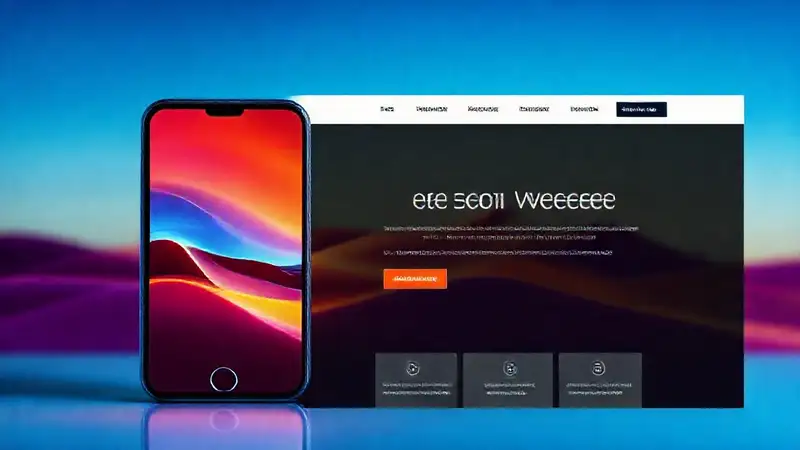
With the majority of web traffic now originating from mobile devices, responsive design is no longer optional – it’s essential. Google prioritizes mobile-first indexing, meaning it primarily uses the mobile version of your website for indexing and ranking. An SEO-friendly theme should automatically adapt to different screen sizes and devices, ensuring a seamless user experience regardless of how someone accesses your site. A poorly designed mobile theme can lead to slow loading times, broken layouts, and a frustrating experience for mobile users, negatively impacting your search ranking. Test your theme thoroughly on various devices – smartphones, tablets, and desktops – to ensure it’s truly responsive and optimized for all users.
SEO-Friendly Header and Footer Structure
The header and footer of your website are prime real estate for SEO. A well-structured header can prominently display your logo, navigation menu, and search bar, providing users with clear access to your content. Conversely, the footer is a good place to include important links, copyright information, and social media icons. SEO-friendly themes should provide a clean and uncluttered header and footer, avoiding excessive elements that can slow down loading times. Furthermore, ensure that your header and footer are properly optimized for mobile devices, maintaining clarity and usability across all screen sizes. Properly implemented header and footer structure improves both user experience and search engine crawling.
Conclusion
Choosing an SEO-friendly WordPress theme is a strategic investment in your website’s long-term success. By prioritizing clean code, fast loading speeds, schema markup integration, mobile-friendliness, and a well-structured header and footer, you’re setting your website up for optimal search engine visibility and user engagement. Don’t settle for a visually appealing theme that compromises on SEO – take the time to research and select a theme that aligns with your goals and contributes to your website’s growth. Regularly auditing your theme and its performance is also vital to maintaining its effectiveness as SEO best practices evolve. Ultimately, a thoughtfully chosen and properly implemented theme will serve as a powerful asset in your ongoing SEO strategy.