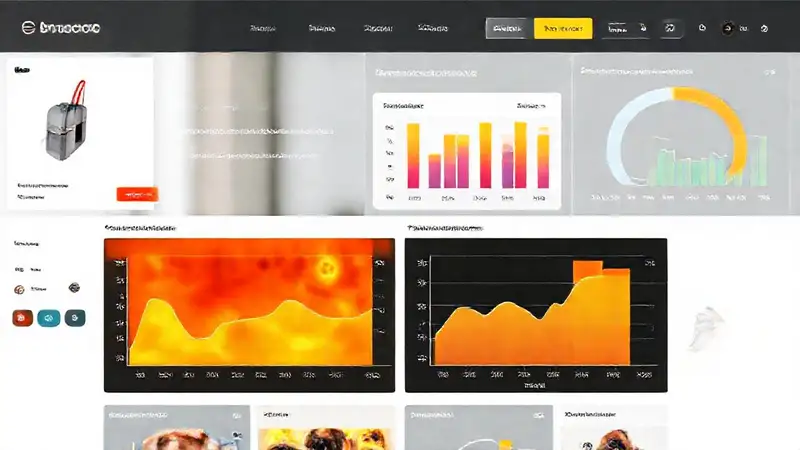
The digital marketplace is fiercely competitive. Simply having a great product isn’t enough anymore – you need to ensure potential customers actually see it and, crucially, are motivated to buy it. Product page conversion rates are a critical metric for online success, and optimizing them consistently requires more than just intuition. Data-driven approaches, particularly leveraging the power of split testing, are becoming increasingly vital. This article explores specific SEO split-testing techniques that can dramatically improve your product page conversions, focusing on how strategically analyzing different elements can lead to significant improvements in your bottom line. We’ll delve into various tactics, from headline variations to image placement, providing actionable insights you can implement today.
A/B Testing Product Titles & Headlines
Product titles are often the first thing a potential customer sees, and they hold incredible power. A poorly crafted title can immediately turn someone off, while a compelling one can draw them in. A/B testing different title variations is a fundamental SEO split-testing method. By creating two versions of your product title – Version A and Version B – and showing them to different segments of your audience, you can quickly determine which performs better in terms of click-through rate and ultimately, conversions. For example, test a benefit-driven title versus a feature-focused one. Consider using numbers and power words in your title – “Boost Your Productivity with [Product Name]” often performs better than simply “[Product Name]”. Remember to track your metrics closely, paying attention to not only the click-through rate but also the conversion rate for each variant – this provides a more complete picture of its effectiveness. Keywords within the title should naturally reflect customer search terms.
Image Optimization & Placement for Conversions
Visuals are paramount in online shopping. High-quality product images can dramatically increase conversion rates. However, simply uploading a few images isn’t enough; strategically testing different visual elements is crucial. Split-testing different image sizes, formats, and placements on your product page is a powerful SEO split-testing technique. Experiment with hero images that dominate the top of the page versus showcasing multiple images below. Consider A/B testing different angles and zoom levels – sometimes a closer view reveals details that a wider shot misses. Furthermore, include lifestyle images demonstrating the product in use to help customers visualize themselves benefiting from it. Don’t forget to optimize images for speed – larger images slow down your page load time, a significant conversion killer.
Testing Call-to-Actions (CTAs) & Button Design
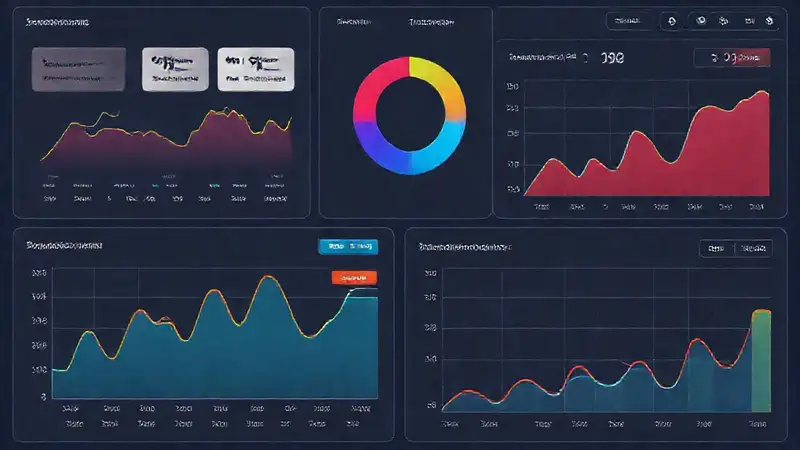
Your call-to-action (CTA) button is arguably the most important element on your product page. It’s what directly prompts a visitor to take the desired action – making a purchase. A/B testing different CTA wording, colors, and sizes is a highly effective SEO split-testing method. Words like “Add to Cart,” “Buy Now,” and “Shop Now” all perform differently. Experiment with the placement of your CTA – above the fold, below the product description, or within a floating button? Consider using contrasting colors to make your CTA button stand out and create a sense of urgency. Testing variations in button size can also have a significant impact; a slightly larger button can sometimes lead to a higher click-through rate. Ensure the CTA is clear, concise, and strategically placed to maximize conversions – don’t bury it! User experience directly impacts your CTA performance.
Product Description Length & Content Structure
The product description is your opportunity to sell the benefits of your product, not just list its features. However, the length and structure of your description can significantly impact its effectiveness. A/B testing different lengths – short, medium, and long – can reveal what works best for your target audience. A shorter, benefit-focused description might be more effective for certain products, while a longer, more detailed description might be better for complex items. Structure your description using headings, bullet points, and white space to improve readability. Consider incorporating social proof, such as customer testimonials or reviews, directly into the description. Research shows that addressing customer pain points and showcasing how your product solves them is incredibly effective – incorporate this into your product description testing. Optimize your description with relevant keywords naturally throughout the text.
Conclusion
Implementing strategic SEO split-testing methods is no longer a ‘nice-to-have’ but a necessity for maximizing product page conversions. By systematically analyzing different elements – from titles and images to CTAs and descriptions – you can gain invaluable insights into what truly resonates with your audience. Remember that ongoing testing and refinement are key; the digital landscape is constantly evolving, and your product pages need to adapt accordingly. Continually monitoring your metrics and making data-driven adjustments will not only improve your conversion rates but also provide a competitive edge in the increasingly crowded online marketplace. Don’t be afraid to experiment and iterate – the potential rewards are substantial. Data analysis is the foundation of successful digital marketing strategies.