The freemium model, offering a basic service for free while charging for premium features, is a hugely popular strategy for SaaS and digital product companies. However, a significant challenge lies in converting free users into paying customers – a drop-off rate that can severely impact revenue. Many businesses implement strategies, but achieving consistent conversions requires a deep understanding of user behavior, particularly as they are about to leave the platform. This article delves into specific exit-intent tactics that can dramatically reduce these drop-offs and ultimately boost monetization within your freemium offering. By anticipating user intent and proactively addressing their concerns, you can significantly improve your conversion rates and build a more sustainable revenue stream. Let’s explore how strategic interventions at the moment of departure can make all the difference.
1. Personalized Value Propositions
Offering a generic “are you sure?” popup simply isn’t enough. Users are often leaving because they realize the free version isn’t meeting their needs. Instead, leverage your data to deliver a personalized message. Analyzing their usage patterns – which features they’ve been using, what tasks they’ve been attempting, and the pain points they’ve likely encountered – allows you to highlight the specific premium benefits that directly address those issues. For example, if a user consistently struggles with collaboration, showcase the real-time co-editing features of the paid plan. Avoid broad statements; a targeted message like “Still needing help with team workflows? Unlock seamless collaboration with our Premium plan” is far more effective than a generic reminder. This immediate demonstration of added value immediately shifts the user’s perspective.
2. Limited-Time Offers & Urgency
Creating a sense of urgency can be remarkably powerful in overcoming hesitation. Exit-intent popups are the perfect place to introduce a time-sensitive offer specifically tailored to the user’s free plan limitations. This doesn’t necessarily need to be a massive discount; a small, strategically placed percentage off their first month or a bonus feature could be enough. Phrase the offer to emphasize the benefits they’re missing out on – “Don’t miss out on advanced reporting features – get 20% off your first month!” Alternatively, frame it as a limited-time bonus: “Claim your free integration with [popular platform] before it’s gone.” The key is to quickly establish a reason to convert now rather than later, exploiting the user’s imminent departure.
3. Addressing Common Objections
Many users leave the freemium platform because they have specific concerns or objections about the paid version. Exit-intent popups provide a critical opportunity to preemptively address these concerns. Common objections might include price, complexity, or lack of perceived value. You can directly tackle these by offering clear explanations, demonstrating the ROI, or highlighting ease of use. For instance, if price is a concern, you could offer a breakdown of the costs and compare them to the value they’d gain. If complexity is the issue, point to onboarding tutorials or dedicated support. A simple question within the popup, “Is the price point a concern? We offer flexible payment plans,” can open a dialogue and potentially alleviate their hesitation.
4. Social Proof & Testimonials
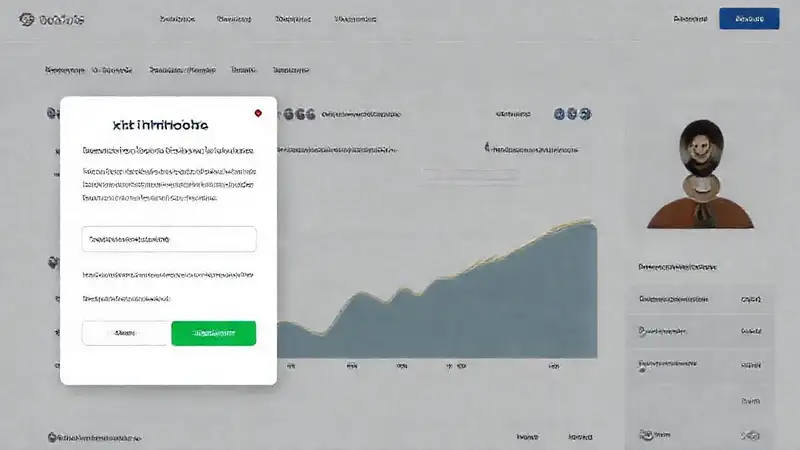
Leveraging social proof can dramatically influence a hesitant user. Incorporate short testimonials or case studies from other users who’ve successfully benefited from the premium features. Showing that others have found value in upgrading builds trust and demonstrates the potential benefits of joining the paid tier. A concise quote like, “Since upgrading to Premium, our team’s productivity has increased by 30%!” paired with a link to the full case study can be highly persuasive. Visual elements, like user logos or screenshots, further strengthen the impact. Presenting these as visually appealing, easy-to-digest snippets immediately combats any skepticism they might be harboring.
5. Direct Support & Assistance
Sometimes, users simply don’t understand how the premium features work or need a little guidance. Offering immediate support through a popup is a surprisingly effective tactic. Provide a direct link to a live chat, a contact form, or a helpful FAQ page. This demonstrates that you’re invested in their success and willing to help them overcome any obstacles. Instead of just saying “Upgrade now,” consider stating, “Need help understanding how to unlock [specific feature]? Our support team is here to assist.” The reassurance of readily available assistance can remove a significant barrier to conversion.
Conclusion
Successfully reducing freemium drop-offs is a continuous process of refinement and data analysis. By strategically employing exit-intent tactics – personalization, urgency, addressing objections, leveraging social proof, and offering direct support – you can dramatically improve your conversion rates and drive sustainable growth. Remember, the goal isn’t just to capture attention with a popup, but to understand why a user is considering leaving and proactively offer a compelling solution. Continuously monitor your data, test different variations of your exit-intent campaigns, and refine your approach based on user feedback. Investing in these targeted interventions can transform potential churn into valuable paying customers, ultimately bolstering the success of your freemium model.