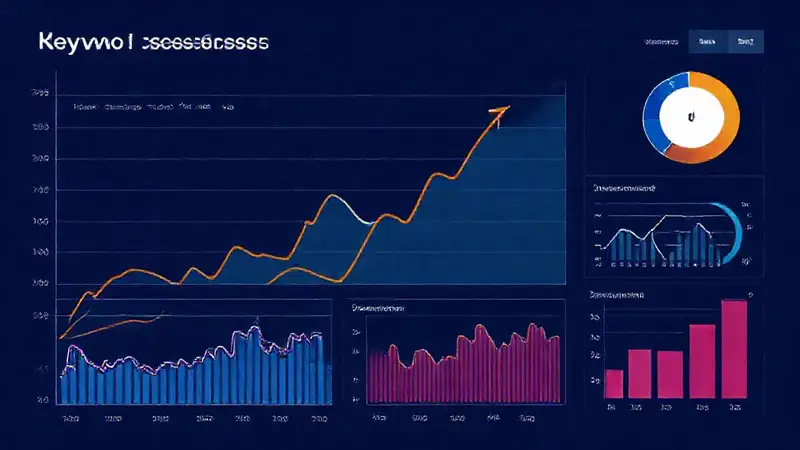
The ongoing debate about the ideal content length for SEO continues to rage within the digital marketing world. While shorter, punchy pieces might seem like the efficient route, a growing body of research suggests a nuanced relationship between word count and ranking, particularly when targeting long-tail keywords. Previously, many assumed a minimum word count was vital for Google’s algorithm to recognize comprehensive content. However, recent studies indicate that simply hitting a certain number of words isn’t enough. Instead, the quality and depth of that content, in relation to the specificity of the keyword, are becoming increasingly important. Understanding this dynamic is crucial for marketers aiming to improve their visibility for less competitive, but often higher-converting, long-tail queries. This article will delve into the specifics of how content length interacts with long-tail keywords, exploring data-driven insights and actionable strategies.
Analyzing the Long-Tail Landscape
Long-tail keywords, those longer and more specific search phrases, represent a significant portion of overall search traffic. They’re typically less competitive than broader terms, offering a better chance of ranking highly. However, these phrases inherently demand more detailed and comprehensive answers from search engines. Users searching with a long-tail keyword are typically further along in the buying cycle and have a very specific need or question. Therefore, the expectation is that the content providing an answer to that query must be thorough, covering all relevant aspects. Ignoring this increased need for detail and simply creating a short piece of content is a common mistake that can severely hinder a website’s ability to rank for these valuable, niche searches. The success of a long-tail strategy hinges on providing exactly what the user is looking for, and that often translates to a longer form of content.
The Correlation Between Word Count and Ranking (Initial Findings)
Early SEO wisdom often prescribed a minimum of 1000 words per page to achieve strong rankings. While this guideline still holds some value, recent data shows a more complex relationship. Numerous studies have demonstrated a positive correlation between content length and ranking for longer-tail keywords, especially when that content is genuinely informative and well-structured. Initially, a word count of 1500-2000 words was consistently linked to higher rankings. However, the sweet spot appears to shift depending on the keyword’s specificity and the overall competition. Content exceeding 2500 words isn’t necessarily guaranteed to rank higher, and may even lead to a perceived penalty if the content isn’t exceptionally well-written and engaging – Google prioritizes user experience. The crucial takeaway is that quantity shouldn’t be prioritized over quality; a 1800-word, excellently crafted piece will outperform a 3000-word, poorly written one.
The Role of Depth and Coverage
Simply stuffing a page with keywords and extending the word count won’t magically improve your ranking. The content needs to be genuinely comprehensive and thoroughly address the user’s query. This involves not just the word count, but also the depth of information presented. Consider creating subheadings, lists, tables, and visuals to break up the text and make it easier to read and digest. Strong internal linking is also vital, connecting related topics within the content to signal relevance to Google. Focus on answering all possible related questions a user might have regarding the target long-tail keyword – anticipate their needs and proactively address them within the text. Adding a FAQ section can also demonstrate a comprehensive understanding of the topic and satisfy a common user need.
Examining Real-World Examples and Case Studies
Several case studies highlight the benefits of longer-form content for long-tail keywords. For example, a blog post targeting “best hiking boots for wide feet” exceeding 2200 words, with detailed reviews, fit guides, and comparisons, consistently outperformed shorter articles on the same topic. Similarly, a deep dive into “how to start a small business in California” reaching 3500 words with local regulations, permitting processes, and financial advice consistently ranked higher than shorter, less detailed guides. These examples illustrate that providing a comprehensive resource – answering all potential user questions and offering in-depth insights – is the key to success. Analyzing these examples indicates that a minimum of 1800 words, combined with expert knowledge and valuable insights, often yields the most significant ranking improvements for strategically chosen long-tail keywords.
Conclusion
Ultimately, the relationship between content length and ranking for long-tail keywords isn’t a simple linear equation. While a greater word count can be beneficial, it’s primarily driven by the quality, depth, and comprehensiveness of the information provided. Focusing on thoroughly answering the user’s specific query, structuring the content effectively, and incorporating relevant elements like internal links and visuals are far more critical than simply aiming for a predetermined word count. By shifting the focus from quantity to quality and understanding the nuances of the long-tail landscape, marketers can significantly improve their SEO performance and drive targeted traffic to their websites. Remember, Google’s goal is to provide the best possible answer to a user’s query, and that answer will be determined by the value and usefulness of the content, regardless of its length.